
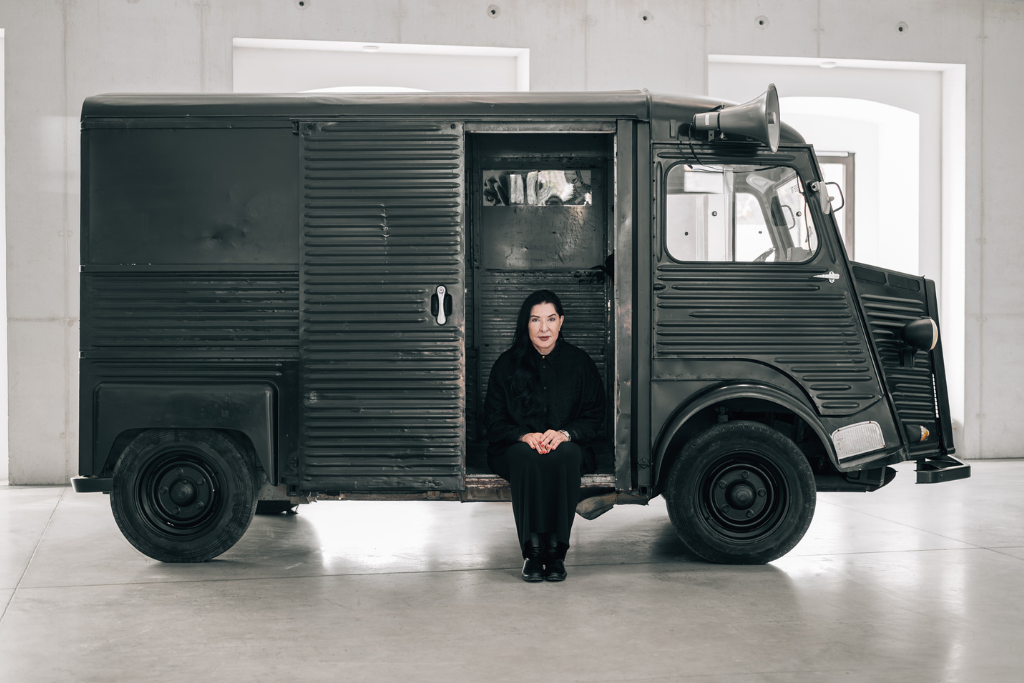
Marina Abramović & Ulay
On occasion, cities catch us by surprise, not with a newly opened motorway, nor a shimmering facade, nor a million EUR investment that has a familiar odour of concrete and asphalt. The surprise lies in something priceless happening: at exhibitions that implicitly state that you are part of the world, something much larger than your everyday life. Ljubljana’s Cukrarna did just that with the Marina Abramović & Ulay exhibition. It did more than inaugurate an exhibition; the venue opened a portal – a pathway to another world, showing a unique relationship between two artists that both cut deep and healed at the same time. Theirs was a world of bravery that had an odour of danger. Their world of closeness was too real to be comfortable.
Over the past decade, I have heard comments about exhibitions being logistical projects and organisational challenges. We are bombarded with data about space, metres, lumens and visitors per hour or per day. These technical details are legitimate until you remember that culture is not physics. Culture is not about measuring, but about being lured into a parallel world. There, you can experience spaces that do not calculate but invoke a feeling.
The dramaturgy of the exhibition drew visitors into the intimate world of two people who, for a dozen years, created art on a razor’s edge.
Heartbeat. Silence. A look that lingers.
It is about relationships, not between things, but between people. Only when we recognise this, does the exhibition become more than a space you visit, but a venue where you experience. Cukrarna succeeded in delivering this without arrogance or pomp. It simply beckoned guests to set foot into a space that is home to another realm. They said they will open that world to the public. And they did. The dramaturgy of the exhibition drew visitors into the intimate world of two people who, for a dozen years, created art on a razor’s edge – where most of us never dare to step. It is not because most of us do not know how to do the same, but because we do not dare to.
European cities are often expected to serve as caretakers of cultural infrastructure, featuring revamped and repurposed buildings and tidy, technologically flawless halls. Yet, in reality, we are defined by something else: what we are willing to host. More importantly, we are defined by whether we care about the stories we invite into our domain. When a city earnestly believes that an exhibition transcends the bounds of an event and becomes an integral part of its identity, it can generate civilisational value. We cannot measure this type of value in budgets, but feel it the moment one sets foot in the exhibition. What is shown is what is believed in.
Vendors of square metres
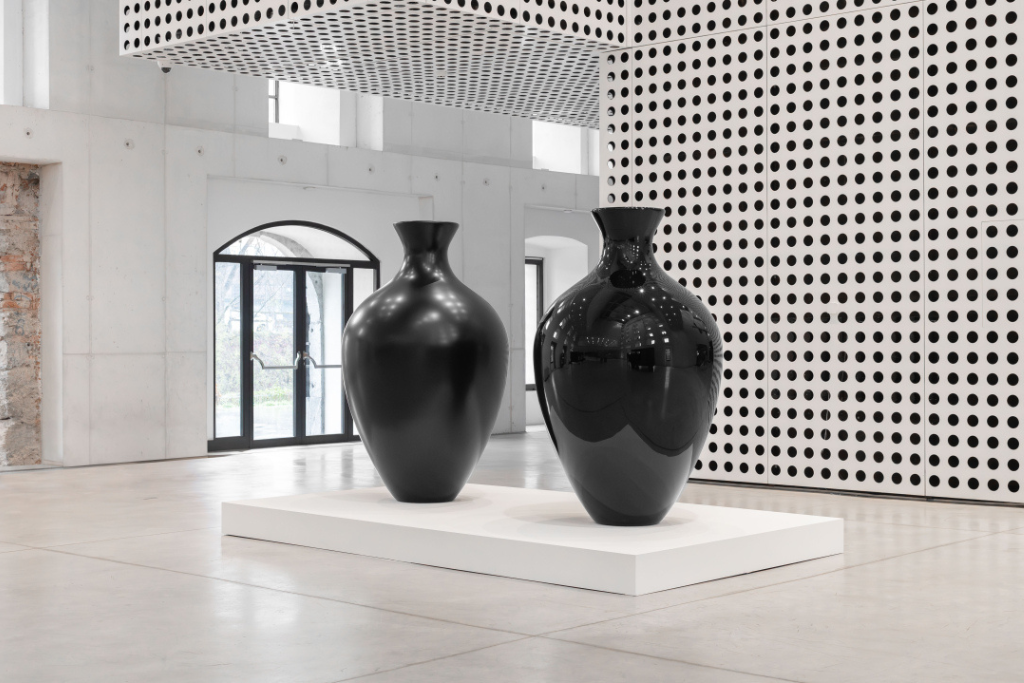
Many exhibitors and venues have become vendors of square metres. At best, these are properties that host exhibitions, but fail to create experiences. In the worst-case scenario, they operate like real estate agents. That is a shame, as cities and communities are not bound together by square metres, but by narratives. The same applies to the events industry.
Cukrarna actively took on the role of welcoming and hosting the world.
When an institution or event organisers claim responsibility for telling the story, for providing context and interpretation, and for making guests feel a certain way, they transcend their original roles. That is when POMP occurs (Point of Meaning and Participation / Point of Moments and Presence). In-person events are not only spaces to convene. They are meaningful spaces. Spaces where attendees can be present in the moment.
That is why my opinion is unequivocal: this exhibition will mark 2026 in Ljubljana. Not only as an event that comes and goes, but as a key decision. Neither because Marina Abramović is a global icon of performance art, nor because Ulay is part of the region’s cultural history, but because Cukrarna actively took on the role of welcoming and hosting the world. Cukrarna decided to go beyond curricula, annual tenders or curators’ safe choices. It was not an easy decision, certainly not the most economical one and not self-evident. Yet, it was necessary. A city of culture is not an amalgam of impressive facades or square metres, but a system of values. It is more than infrastructure – it is about taking a stand. A cultural city not only curates a year-round season of events but also says, “Come as you are.”
Memories of such exhibitions do not remain dusty in institutions’ archives, but linger in visitors’ minds.
Decisions, like that of Cukrarna, are not made to boost likes on social media platforms or spike visitor numbers. On the contrary, they build trust. Above all, memories of such exhibitions do not remain dusty in institutions’ archives, but linger in visitors’ minds. If a city has the bravery to host the world, then the world will come. That is when cities become more than they were before. Not larger, but more profound.
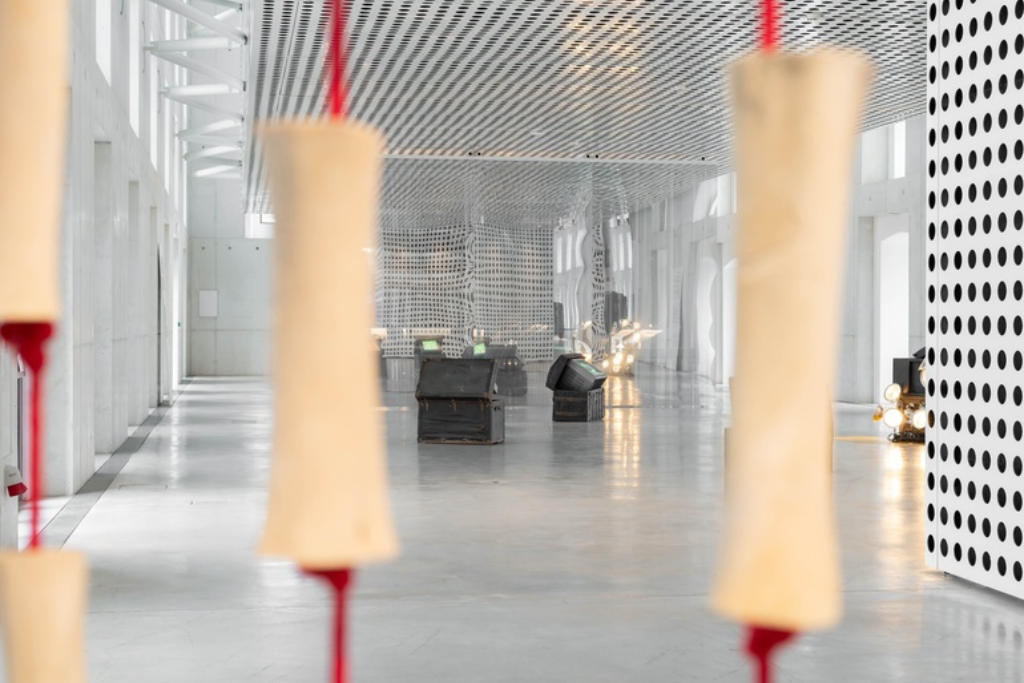
Large-scale events and great exhibitions are statements of their respective authors. They mirror an organisers’, client’s and city’s values. Hence, the events industry should not be measured by overnight stays, arrivals, or square metres, but by its ability to create lasting moments.
In Ljubljana, Cukrarna set up a mirror that reflects the city’s larger, more confident, and more globally connected image. The events industry should follow suit.
The world will not come on its own. We should open the doors and invite it to come. When hosting an event, this means something concrete: stop selling spaces and begin creating meaningful connections. It is no longer essential to build programmes, but to merge worlds. We should not count attendees; instead, we should evaluate whether they are present in the moment.
Global events are not simply organised; they are created. And once they are conceived, you create more than a successful event – you give attendees a reason to come back.
Author: Gorazd Čad