
The unique, in-depth, independent evaluation system of meeting destinations is based on the Meeting Experience Index of destinations, which comprises an analysis of over 75 qualitative criteria. The methodology goes beyond classic comparisons that focus solely on the number of events hosted at destinations, also evaluating and contrasting their maximum capacities, resilience, and the actual needs of event organisers.
L MEETING DESTINATIONS
Destinations that can host up to 2,000 event attendees (32 evaluated destinations in 2026)
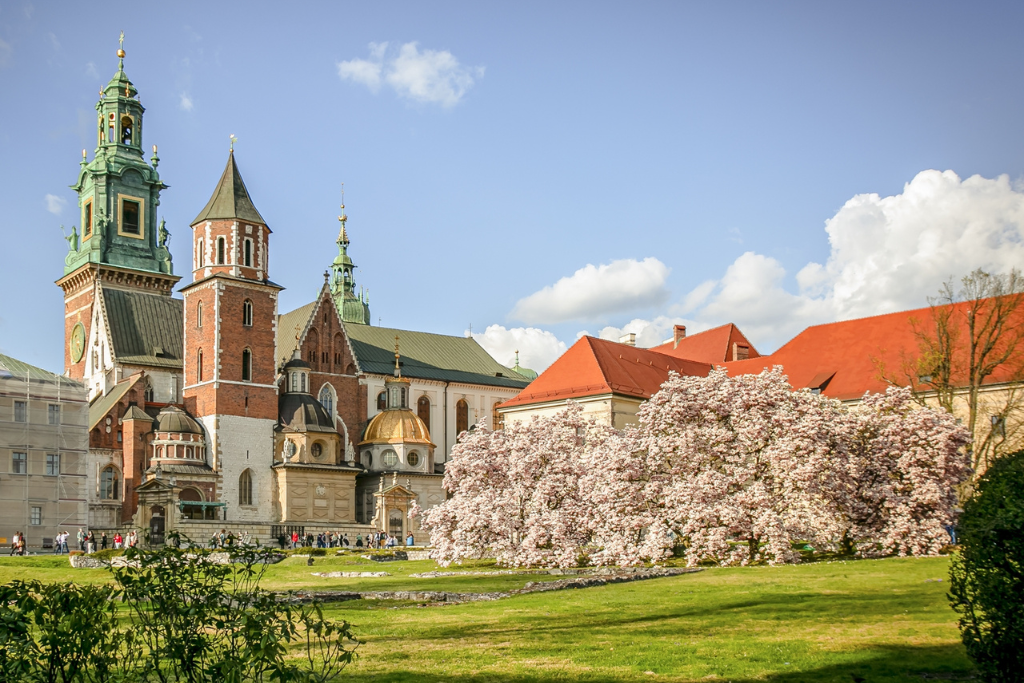
Winner: KRAKOW, Poland, final score: 4.560
Kraków is a growing meeting destination with a strong cultural and academic profile and steadily improving infrastructure. The city has recorded significant growth in business meetings, hosting thousands of group events with increasing international participation. This development is supported by established venues such as ICE Kraków and EXPO Kraków, as well as an expanding network of hotels and conference facilities. Kraków also ranks among the most improved destinations in global sustainability benchmarks, underlining its commitment to responsible meetings.
Benchmarking insight: Other destinations can learn from Kraków’s balanced combination of infrastructure development, academic partnerships and sustainability-focused destination management.
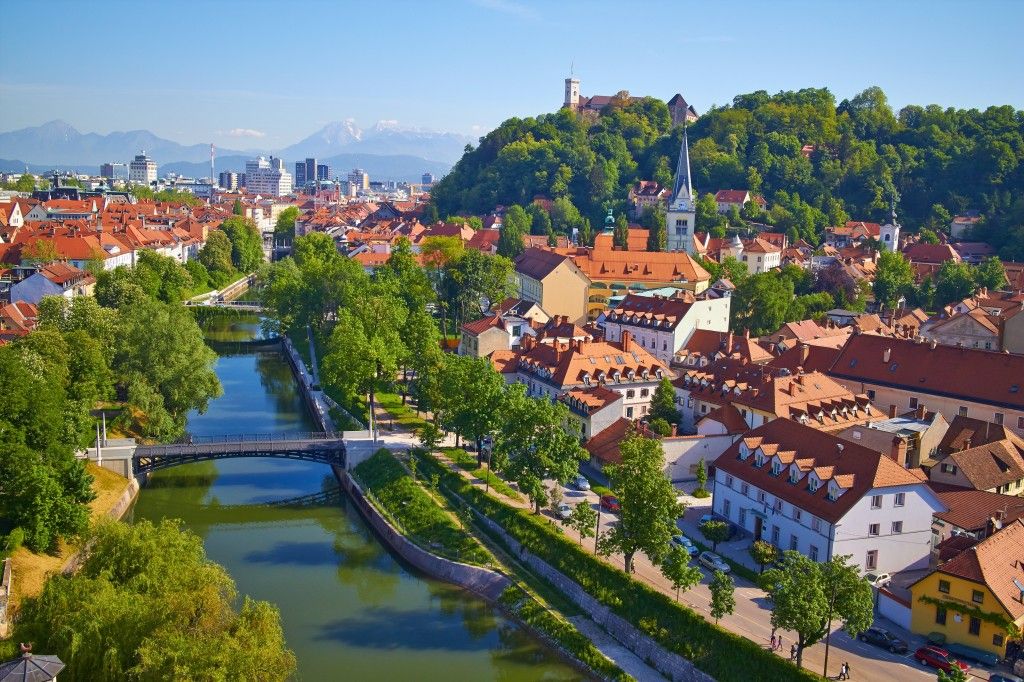
2nd place: LJUBLJANA, Slovenia, final score: 4.550
Ljubljana is an inspiring city whose strength lies in its compactness, access to nature and diverse experiences shaped by landscape and heritage. The town enables event participants to experience Slovenia both within the city centre and beyond, making it ideal for responsible, sustainable events. Ljubljana delivers the standards of a leading meeting destination in a boutique, personalised format, supported by a clear vision from the Ljubljana Convention Bureau.
Benchmarking insight: Other destinations can learn from Ljubljana’s integration of nature, walkability and focused destination management.
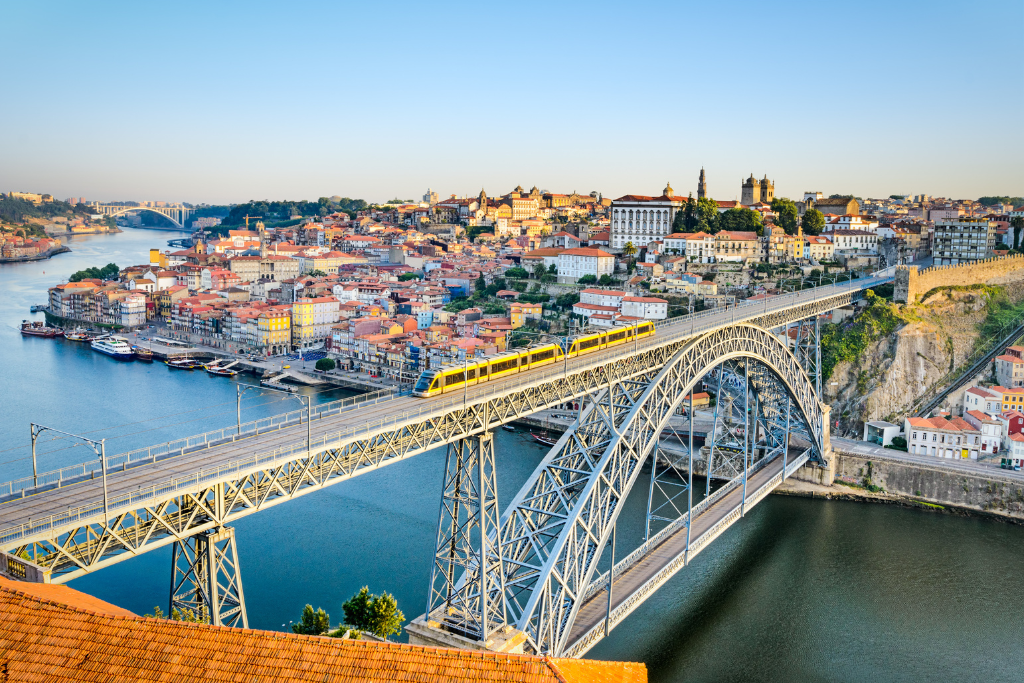
3rd place: PORTO, Portugal, final score: 4.540
Porto is a well-connected and culturally vibrant meeting destination with a steadily growing international profile. The city combines strong heritage with modern meeting infrastructure, offering a range of flexible venues and a compact, easily accessible urban layout supported by an international airport. Porto’s credibility as a meetings destination is further reinforced by hosting major global events, including the ICCA Congress, which significantly accelerates visibility and industry trust.
Benchmarking insight: Other destinations can learn from Porto’s strategic use of flagship events to strengthen global positioning while integrating local culture and sustainable urban development.
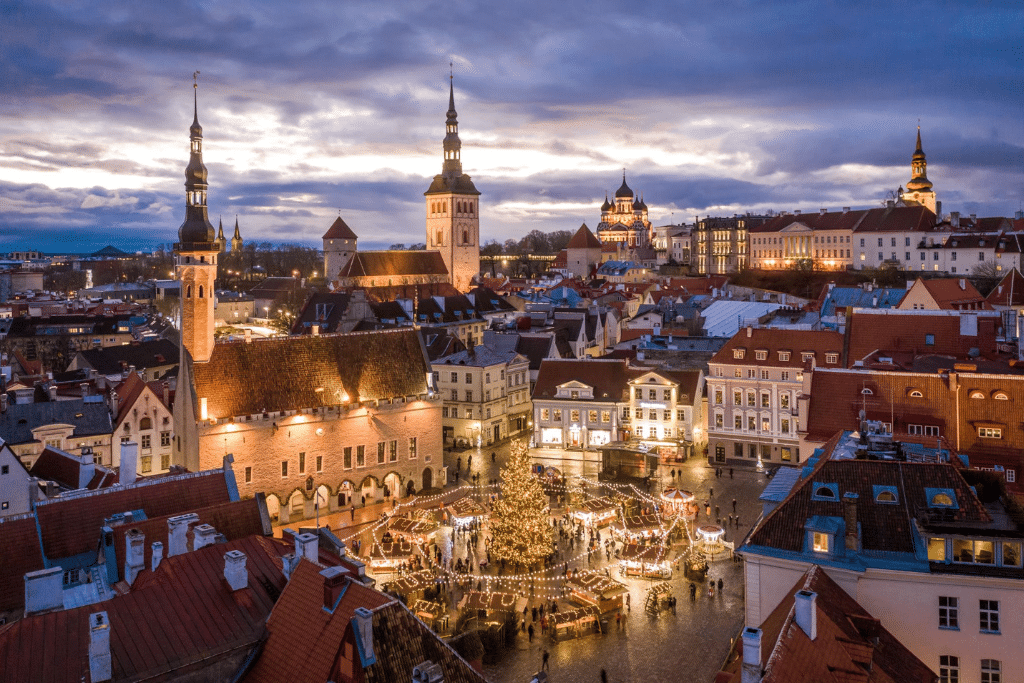
4th place: TALLINN, Estonia, final score: 4.516
Tallinn is a fantastic choice for open-minded organisers seeking unique, out-of-the-box solutions. The diverse events hosted in the city are proof of that. With its compact layout, Tallinn feels like one large conference centre, where venues come together to create unforgettable experiences. This flexibility makes up for the absence of a large, multipurpose conference centre. Tallinn’s distinctive offerings carve out a niche that attracts the perfect events to the city.
Benchmarking insight: A shared spirit of innovation between the city and organisers helps create magical experiences.
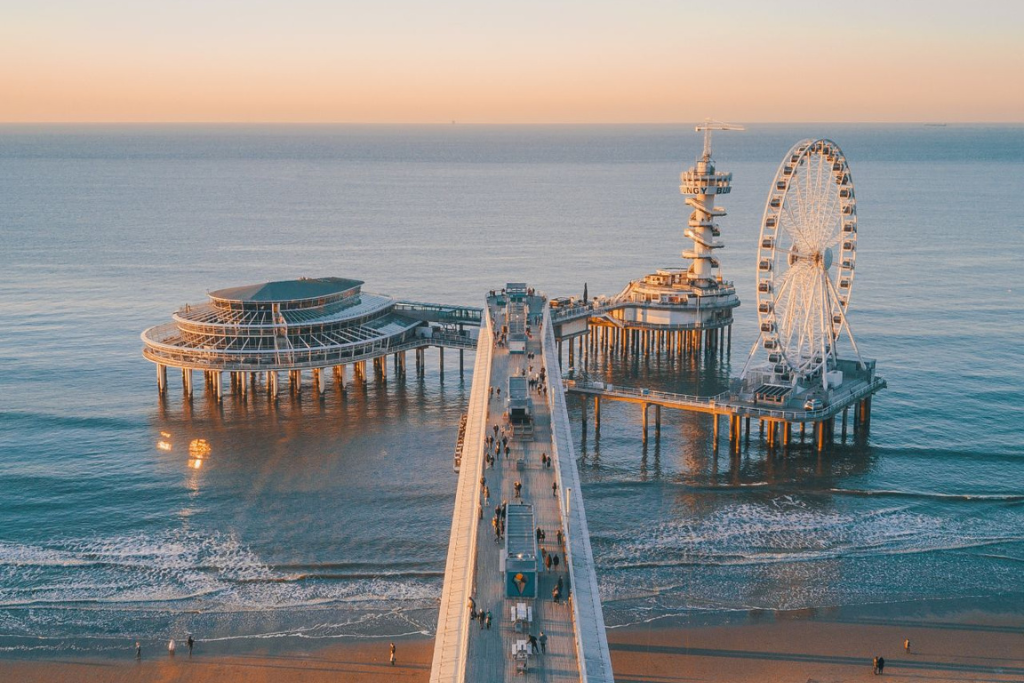
5th place: HAGUE, the Netherlands, final score: 4.493
Beyond peace palaces and boulevards, The Hague hides hush-quiet surprises. Step through an unmarked gate into centuries-old “hofjes”. Den Haag’s meetings infrastructure is centred around the World Forum The Hague, which offers large-scale plenary capacity, multiple breakout rooms and integrated security options. Additional conference venues include hotels, governmental buildings and cultural institutions with meeting facilities. The city is particularly suited for political, legal, security and NGO-related conferences.
Benchmarking insight: While the number of very large venues is limited compared to capital cities, the infrastructure is stable, modern and designed for international, high-security events.
6th place: VENICE, Italy, final score: 4.486
Venice is the magical city par excellence and one of the most extraordinary destinations in the world. Venice and its province are unquestionably hospitable by vocation, as illustrated by some of the most famous hotels and temples of hospitality. Venice has long hosted world events. As a commercial crossroads, it is easy to reach by land or sea, and the city offers various modes of transport. A city with irresistible charm and a wide range of different offers typical of the “Italian way of life”.
Benchmarking insight: The Serenissima offers modern and historic venues, supported by a mature events industry.

7th place: VILNIUS, Lithuania, final score: 4.485
Over the last few years, Vilnius has diligently learned, polished its offer, and prepared for its entry into the international congress scene. In their favour, Vilnius has the charm of a cosmopolitan, urban, very European city, full of hidden surprises. It’s a city where socialist modernist architecture coexists with the Baroque centre, and unlike some other Eastern European congress destinations, this makes it very attractive. Vilnius is a credible partner in the international meetings industry and an undiscovered convention destination that appeals for its freshness.
Benchmarking insight: Being one of the fastest-growing startup ecosystems in the world, growing 22% year-on-year, and ranked the #1 tech city in the EU, Vilnius is wired for digital workers.

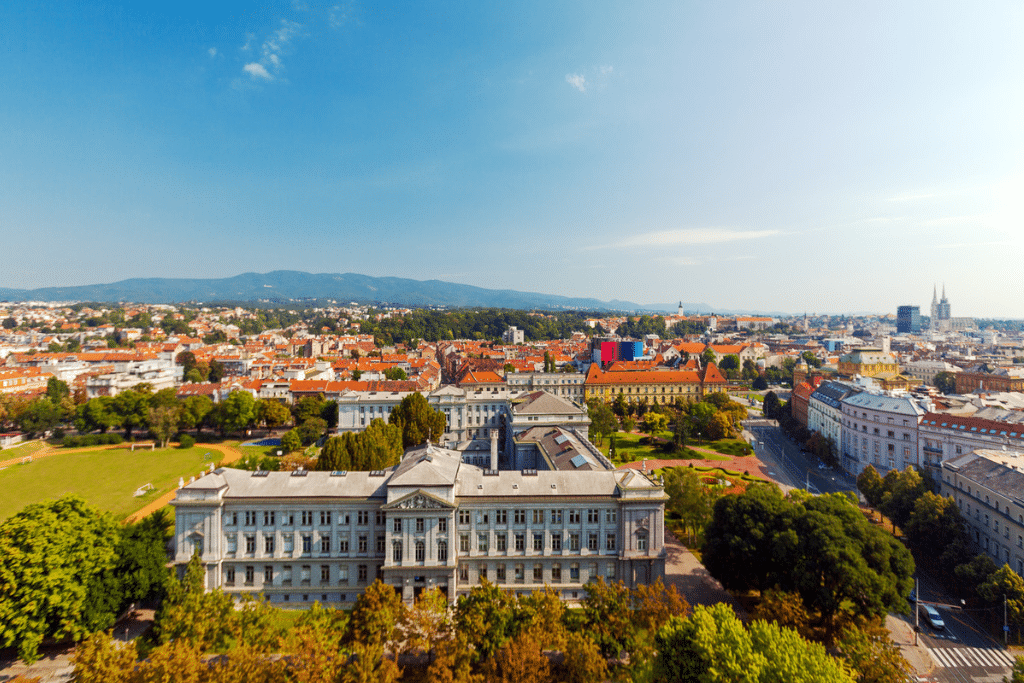
8th place: ZAGREB, Croatia, final score: 4.481
A great event story is unfolding in Zagreb. It is well established in the international congress market and, in addition to Ljubljana and Belgrade, it represents the future backbone of the region’s continental meetings industry. All three cities are progressing steadily on the charts of developed meeting destinations; the final breakthrough of the entire region is intertwined and dependent on the marketing of major regional congress cities in the international market.
Benchmarking insight: Croatia Airlines is helping Zagreb edge out its regional competitors.
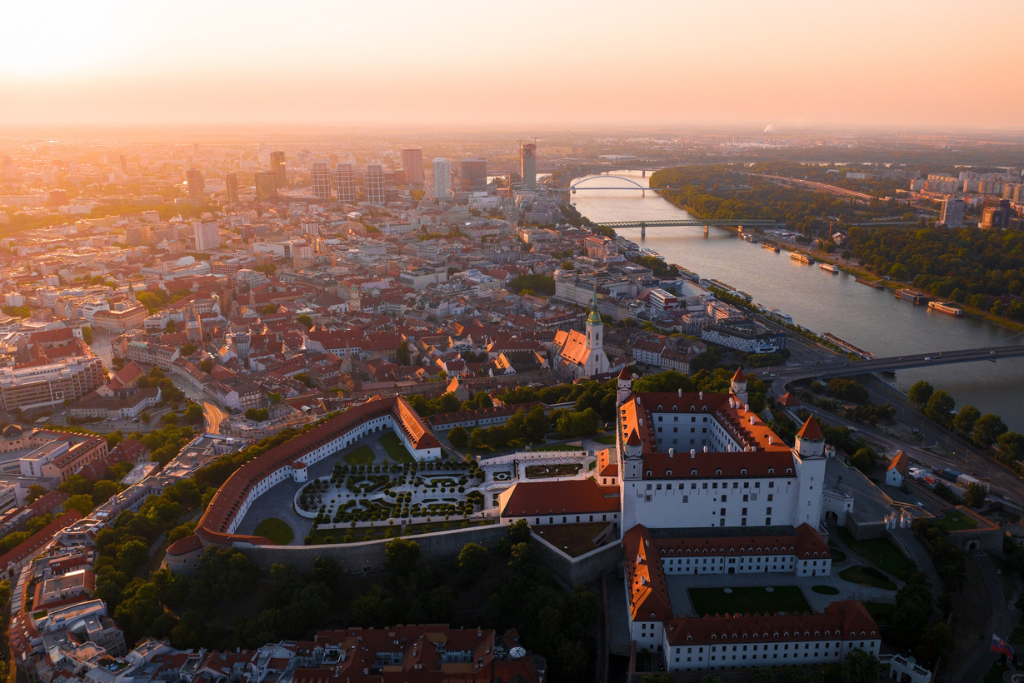
9th place: BRATISLAVA, Slovakia, final score: 4.471
The Danube was the impetus for the swift development of some of Europe’s glistening capitals. One of them is Bratislava. On the banks of the mighty river, the Slovakian capital transformed from a local settlement to a respected regional and cosmopolitan city. The city has been hosting several international festivals and events that bring thousands to Slovakia. Packed in a boutique package but offering a sea of options for event organisers, this meeting destination is solidifying its position as an exceptionally accessible destination.
Benchmarking insight: Bratislava is a prototype of a mid-sized destination focusing on quality rather than quantity, as demonstrated by the cars coming out of its state-of-the-art automotive plants.
10th place: SALZBURG, Austria, final score: 4.463
Salzburg offers all the characteristics of a congress destination, along with a cosmopolitan mix of visitors. With its location in the heart of Europe and its high quality of life, Salzburg is a great starting point for congress tourism. Given the city’s current logistics and transport restrictions, medium-sized congresses with up to 2,000 participants are best suited. Two top-quality, modern and high-tech congress centres are together with a top-quality conference hotel infrastructure a foundation for this congress destination. In this area, they will offer you a superior product wrapped in superior packaging. Otherwise, location, location, location and once again, location is considered a crucial reason for choosing Salzburg for your event.
Benchmarking insight: Although you will find Mozart at every step of the way, and it seems the clock stopped in the times of the famous composer, Salzburg is very modern and urban.

We sincerely congratulate all the destinations that competed in this year’s Meetings Star competition.
Explore more about the Meetings Star Award here.