

Organised by the European Society of Cardiology, ESC Congress is a platform where clinical evidence is interrogated, guidelines are introduced, and research on innovations like AI and digital cardiology is showcased, emphasising its relevance to current cardiovascular advancements.
The scale of the gathering reflects the urgency of its subject. Cardiovascular disease is responsible for approximately one in three deaths worldwide, placing sustained pressure on healthcare systems to improve prevention, detection, treatment, monitoring and rehabilitation. Against this background, the congress will examine not only what is scientifically possible, but how innovation can be implemented safely and equitably within clinical practice.
Artificial intelligence moves from promise to practice
Artificial intelligence will provide the principal spotlight for the 2026 congress. Rather than presenting AI as an abstract technological prospect, the programme will explore its emerging role as a clinical copilot, supporting diagnosis, cardiovascular imaging, risk prediction and medical decision-making to improve patient outcomes.
The emphasis will be distinctly practical. Hands-on sessions, live demonstrations and immersive learning formats will allow participants to examine how AI can improve precision, accelerate analysis and enhance patient safety. At the same time, discussions will confront the questions that inevitably accompany its adoption, including reliability, ethics, accountability, data governance and integration into existing clinical pathways.
This balance between technological ambition and professional responsibility will run through the dedicated AI in Practice Track and Digital Cardiology Track. The latter will range from machine learning and mobile applications to the technical and ethical foundations required for credible digital medicine. The programme will also consider whether responsibly deployed AI can widen access to specialist care and help reduce global healthcare inequalities.
A congress that extends beyond the lecture hall
ESC Congress 2026 is conceived as a hybrid gathering, offering in-person experiences in Munich and online access, allowing participants to choose the most suitable format for engagement.
The main congress will be preceded on 27 August by RISE at ESC Congress 2026, a full-day programme dedicated to women in cardiology. The event will focus on the nonclinical competencies required for career progression, professional leadership and greater representation across the cardiovascular profession.
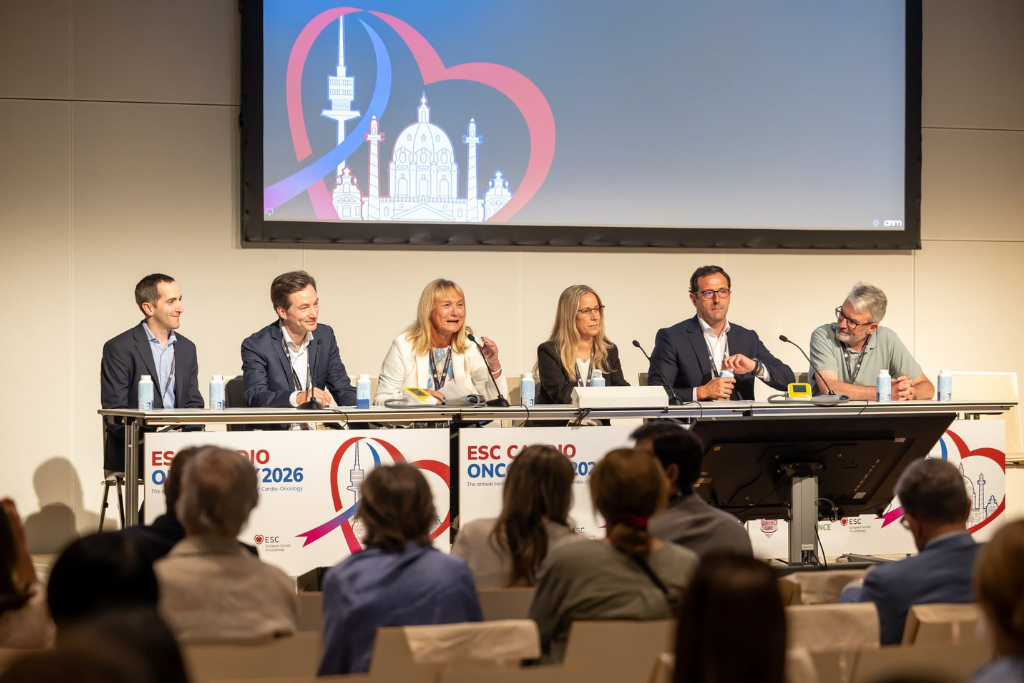
Informal exchange will continue through the congress’s networking programme. The Bavarian Connection, scheduled for the evening of 29 August, will offer delegates a distinctly local setting in which to strengthen relationships beyond the formal scientific agenda.
For Munich, ESC Congress 2026 will be among the defining international gatherings of the summer. For cardiology, it will provide something more enduring: a place where evidence, technology, and professional judgement converge, and where the next generation of cardiovascular care begins to take practical form.
Further information, registration details, deadlines, and the scientific programme are available on the official ESC Congress 2026 website, ensuring attendees can plan accordingly.