
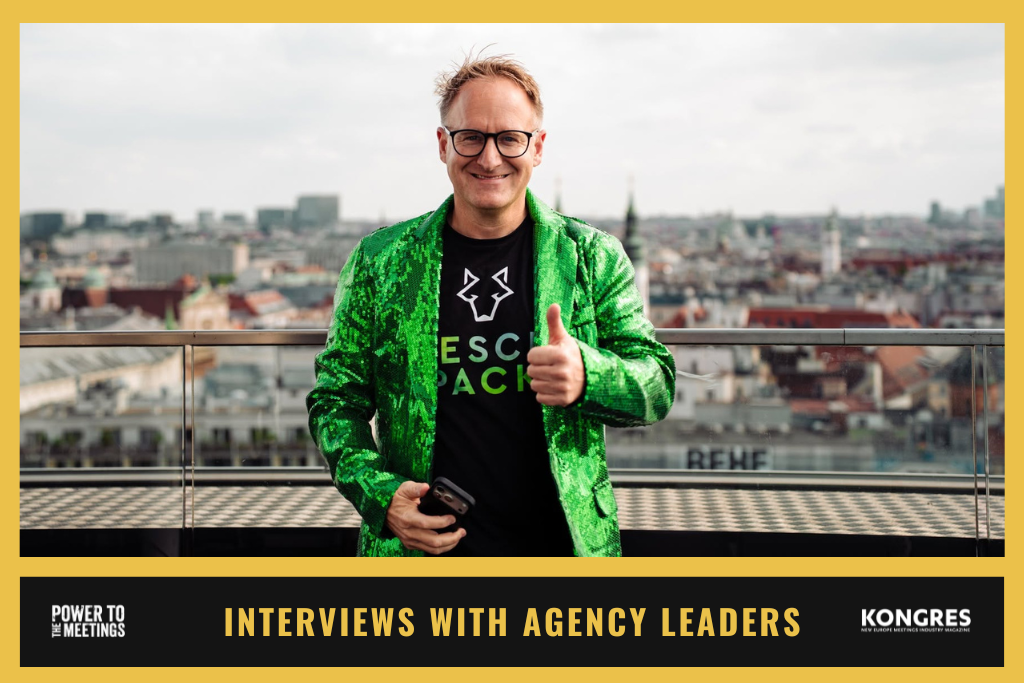
Q1: The Top 100 European event agency leaders list has provided a who’s who of the events industry for the first time. How do you see this recognition, and what does it mean for your agency?
I see it as both a personal honour and a recognition of what we have built at KESCH over more than two decades. Coming from Austria, a relatively small market, and being recognised among Europe’s leading event agency leaders shows that the size of your home market does not define great ideas and great experiences.
For KESCH, it reinforces our ambition to think beyond borders. We want to help shape the European brand experience industry, not simply participate in it. And personally, I like the idea behind the list because our industry deserves more visibility. We create experiences that millions of people remember, yet the people and teams behind them are often invisible.
Q2: Live events seem to be the buzzword of 2026. With the industry going from strength to strength, how do you see the future of events?
The more digital our lives become, the more valuable real human experiences become. AI can generate content in seconds. Social media gives us unlimited reach. We can meet virtually from anywhere. But none of these can fully replace the feeling of actually being somewhere, meeting someone, belonging to something and experiencing a moment together. That is why I believe the future of events is extremely strong. But I would go one step further: the future is not simply about “live events”. It is about brand experiences.
The best events will connect live, digital and immersive touchpoints before, during and after the physical experience.
The event itself becomes one powerful moment in a much larger experience journey.
Q3: How are economic and political turmoil, rising production costs and ambitious client expectations affecting your agency’s business model?
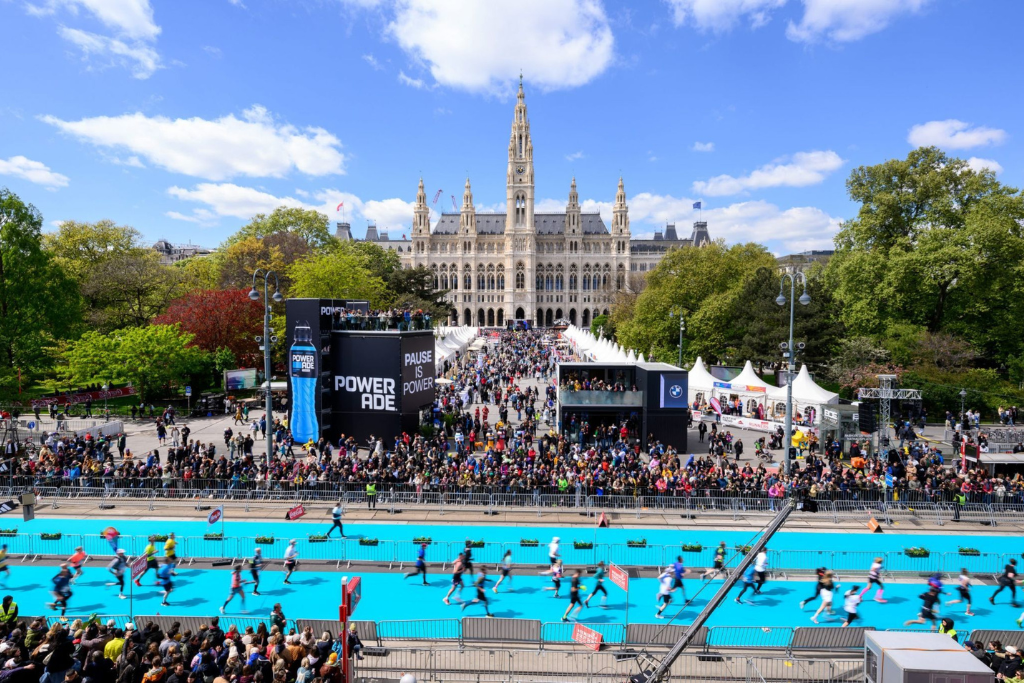
Clients expect more impact, more innovation, more measurable results and increasingly more content – while budgets rarely grow at the same speed. I don’t think complaining about this helps. It forces us to become better.
For us, this means moving away from simply selling production and towards creating measurable value. We invest much more time in strategy, audience understanding, experience design, technology, data and prototyping. At the same time, AI and automation allow us to make many internal processes dramatically more efficient. The agency of the future cannot make money by making things more efficiently. It has to make money by creating ideas and experiences that generate real value.
Q4: Artificial intelligence is rapidly reshaping creative and operational processes. To what extent have you integrated it across your processes, and which jobs remain out of its reach?
AI is already integrated into almost every part of our agency – research, strategy, ideation, visualisation, concept development, presentations, production planning, content creation and internal administration. My view is simple: AI should not be treated as another tool. It is becoming another member of the team.
But there is an important distinction. AI can generate thousands of ideas. It cannot decide which idea deserves to exist. Taste, judgement, empathy, leadership and the ability to understand what people truly feel remain deeply human capabilities. And especially in our industry, there is another thing AI cannot replace: human hospitality. Looking someone in the eyes, reading a room, creating trust, improvising when something unexpected happens and making people feel welcome.
So I don’t believe AI will replace event people. But event people who understand how to work with AI will have a huge advantage over those who don’t.
Q5: Sustainability has become both a strategic responsibility and a measurable business criterion. How is your agency translating environmental commitments into concrete results and accountability?
For me, sustainability becomes credible when it stops being a presentation slide and starts influencing actual production decisions. That means questioning materials, transport, catering, energy, waste, suppliers and especially whether something really needs to be produced from scratch. But I also think our industry needs to broaden the discussion. Sustainability is not only environmental. An experience that costs a lot of resources and creates almost no lasting impact is not particularly sustainable either.
We therefore increasingly think about longevity: Can elements be reused? Can content continue digitally? Can one experience generate value across multiple channels? Can we create something people actually remember? The goal should be simple: more impact with fewer resources.
Q6: How does your event agency attract and retain young talent?
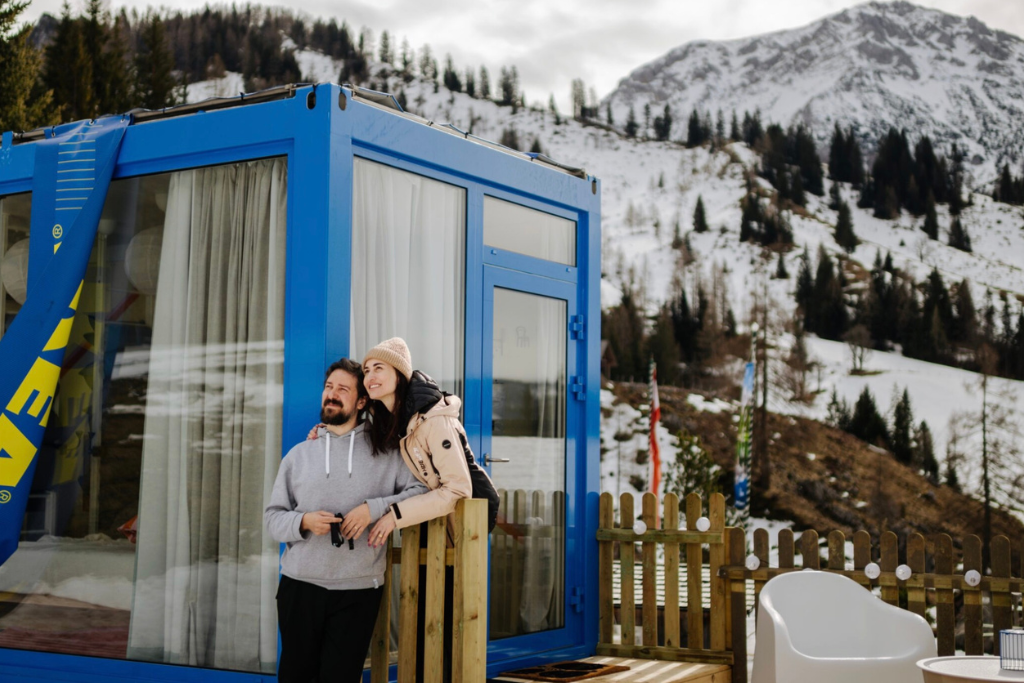
Young talent doesn’t want to spend five years waiting for permission to have an opinion. We try to give people responsibility very early. They should work with clients, contribute ideas, use new technologies and see the direct impact of their work.
But attracting talent and retaining talent are two different things. Cool events may attract people. Culture makes them stay.
That requires trust, responsibility, honest feedback, development opportunities and a working environment where people feel that their contribution actually matters.
I also believe agencies need to stop seeing young employees only as people who still have to learn. In areas such as AI, social media and emerging culture, they sometimes understand the world faster than management does. The best organisations allow learning to happen in both directions.
Q7: If you could enter a time machine, what would you advise yourself when you first started in the events industry?
I would tell myself: Don’t try to build a bigger agency. Build a better company. When you start an agency, you are obsessed with projects, clients, creativity and growth. You believe that doing more means becoming more successful. Later you realise that the real challenge is building the right team, the right culture and the right systems – so that success no longer depends on you personally being involved in everything.
And I would probably tell my younger self to enjoy the journey a little more. In our industry, we are constantly chasing the next deadline, pitch or event. Twenty years pass surprisingly quickly.
Q8: If you had to single out one event from your portfolio, which would it be and why?
It is almost impossible to choose one after more than 5,000 projects, but I would choose the Coca-Cola Christmas Truck experience. Not because it was our biggest or most expensive project, but because it represents what I love about our industry. People don’t experience it as advertising. Children and families wait for the truck, take pictures, share the moment and make it part of their Christmas memories.
That is the difference between communication and experience. A campaign tells you something about a brand. A great brand experience makes you feel something about a brand. And feelings are what people remember.
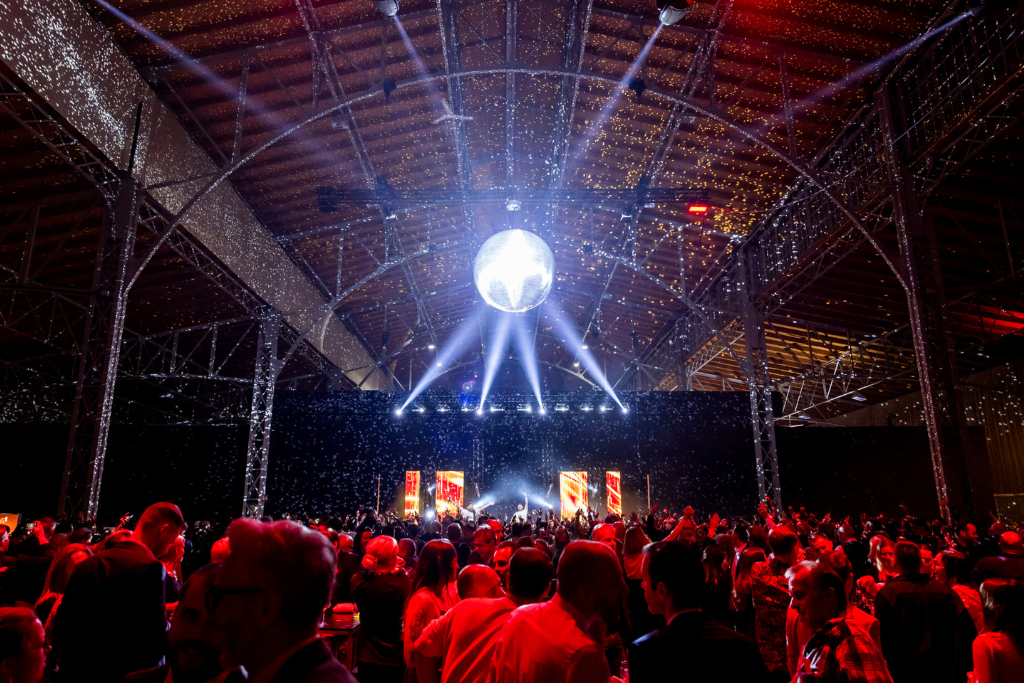
Q9: Which industry buzzword would you permanently ban, and what uncomfortable truth should event agencies start discussing instead?
I would ban “immersive.” Almost everything is called immersive today. Put a large LED screen in a room, and suddenly it is an “immersive experience”.
Technology does not make an experience immersive. Human involvement does.
The uncomfortable truth our industry should discuss is that we sometimes produce incredibly expensive experiences that are primarily designed to impress our clients, our competitors and award juries – rather than the actual audience. We should ask a much tougher question: Would anybody care about this experience if the brand logo disappeared? If the answer is no, we probably haven’t created a great experience yet.
Q10: Does Europe genuinely operate as one event market, or do outdated divisions between established Western markets and “New Europe” still influence budgets, visibility and access to opportunities?
Europe is one market on PowerPoint. In reality, it is still many different markets. Budgets, procurement structures, agency visibility and even perceptions of creative quality still vary significantly between countries. And yes, there is still a tendency to associate London, Paris or Germany with the centre of the European agency world.
I think that view is increasingly outdated. Exceptional creative and strategic work is coming from Austria, Poland, the Czech Republic, the Baltics, the Balkans and many other smaller markets. In fact, smaller markets can be an advantage: agencies have to be entrepreneurial, flexible and extremely resourceful.
Technology and AI will accelerate this shift because access to capabilities is becoming democratised. The future European event market should not be divided into East and West, old and new, big and small. There should ultimately be only one distinction: Is the work relevant – or isn’t it?
Learn more about KESCH projects here.