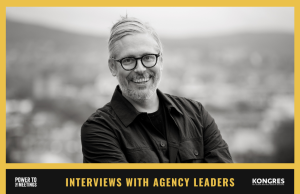


Michael Kern is a seasoned leader in the international events industry, currently serving as Executive Director of the DEKON Group, a globally active Professional Congress Organiser based in Istanbul. With a background in law from the University of Vienna, Michael brings over two decades of experience in congress management, association leadership, and international collaboration.
Under his strategic guidance, DEKON has successfully delivered high-impact congresses across five continents, offering services that span registration, accommodation, scientific program management, logistics, and sponsor engagement. Michael has played a key role in advancing the organisation’s global footprint and reputation for reliability and innovation.
Q1: What are your thoughts on recent research findings suggesting that the average person spends up to six years of their life attending boring events? Does this statistic surprise you?
Not really. I think we’ve all been there, stuck in a room, nodding politely while mentally already planning dinner. But six years? That’s not just unfortunate; this is tragic. It also shows how badly our industry needs to step up. There’s no excuse anymore, especially when we have so many tools to do better.
Q2: In your opinion, what are the main factors that render an event or meeting boring, and why does this still happen so frequently?
The usual suspects: people talking at the audience instead of with them, no clear storyline, and content that feels recycled or generic. A good speaker draws a picture in front of the audience, making them dream.
Also, the format often doesn’t match the crowd, a group of creatives stuck in a rigid, old-school agenda? That’s asking for yawns. It still happens because some organisers play it safe, but safe isn’t memorable.
Q3: What elements are, in your view, crucial for creating engaging meetings? Would you say there is a “formula for success”?
If there is a formula, I’d say it starts with: know your audience, break the script, and make space for real interaction. Add a bit of surprise, make it personal, and always build in room for connection, not just between people, but also with the content. We tried that at Velocity, and it paid off big time, and not just with an award, but in the buzz that people took home.

Q4: How do you approach event design from the participant’s perspective? What must an organiser do to prevent attendees from mentally checking out within the first ten minutes?
Simple: stop designing for the programme, and start designing for the people. Attention is earned, and you only have one shot. That first 10 minutes sets the tone. So start strong, get them curious, and avoid clichés. People don’t come for a perfect PowerPoint. They come for experiences, stories, and human moments.
Q5: What modern practices or tools would you recommend to organisers aiming to create more inclusive and dynamic events?
Start with inclusive thinking, then add tools. Hybrid formats done right (not as an afterthought), real-time translation, accessible design, and – please – better food options. The food at Velocity was amazing and environmentally friendly presented at the same time. Also, more co-creation: let participants shape the content. People engage more when they feel like they’re part of it, not just guests.

Q6: How crucial is the role of spontaneous interaction, informal networking, and unexpected moments in crafting a memorable event experience?
Crucial. I’d even say that’s the magic ingredient. People forget what was said on stage, but they remember who they met over coffee or what unexpected moment made them laugh. We always try to engineer those unplanned moments, not in a forced way, but by creating spaces and time for them to happen naturally.
Q7: Can you name a best practice case – either one of your own events or one you attended – that was truly extraordinary and remains a testament to the idea that “no more boring meetings” is not just a slogan but a tangible reality?
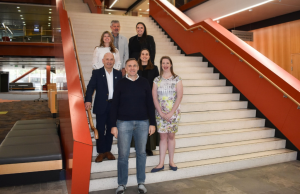
Velocity, which was created under the strong involvement of the host, the City of Ljubljana, was one of those cases for us. It wasn’t just the energy or the visuals or the conference song; it was the way people owned the event and the whole city. Everyone was contributing, debating, and creating. It felt alive. Winning the Best Conference Award was a great recognition, but the real win was hearing participants say, “I’ve never experienced anything like this before.”
Q8: In your experience, which event format is the most boring?
Panels with 6 people and 2 microphones. Or even worse, any session where speakers read their slides out loud. If the audience knows what’s coming next, you’ve lost them.
Learn more about Dekon Group here.