
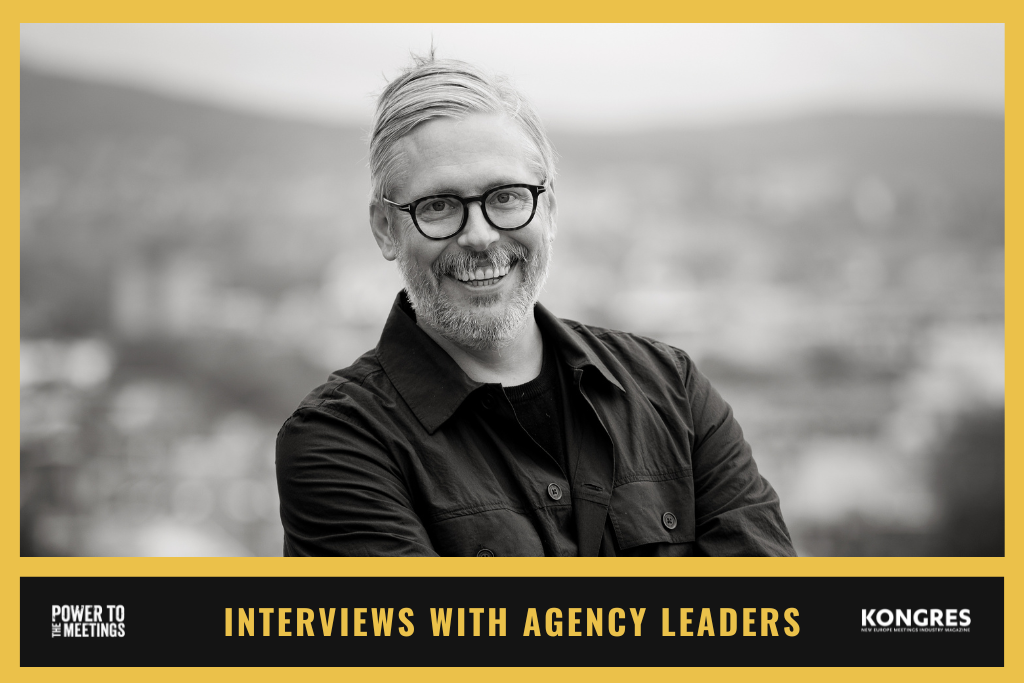
Q1: The Top 100 European event agency leaders list has provided a who’s who of the events industry for the first time. How do you see this recognition, and what does it mean for your agency?
I’m incredibly proud of this recognition, but also genuinely humbled. There are so many talented people in our industry, and being included among them means a lot to me. I also see it as a recognition of the people I’ve had the privilege of working with throughout my career. You never achieve something like this alone, and I certainly wouldn’t be here without the colleagues, clients and partners who have been part of the journey.
For Appetite, I hope it helps increase awareness of who we are beyond Norway. It is also a valuable confirmation that we are doing something right. In our business, we ultimately sell trust – built through experience, creativity and the ability to deliver. Recognition like this gives both our team and our clients another reason to believe in what we do.
Q2: Live events seem to be the buzzword of 2026. With the industry going from strength to strength, how do you see the future of events?
I think the future of events is incredibly exciting, simply because events are ultimately about people. Our industry has always been good at adapting. New technology, changing client needs, and even major shifts in the world around us constantly challenge us to innovate and find new ways to create value. AI will undoubtedly change parts of what we do as well – and I think we should embrace that.
But there is one thing I don’t believe technology can replace: the value of people actually being together.
In fact, I believe the more digital our world becomes, the more valuable real human connection becomes. We need places where people can meet, talk, share ideas, build trust, celebrate and experience something together. That is why I’m very optimistic about the future of live events. The tools will change, the formats will evolve, but the fundamental human need to connect will remain. And perhaps it will become more important than ever.
Q3: How are economic and political turmoil, rising production costs and ambitious client expectations affecting your agency’s business model?
Uncertainty is affecting our industry, although the impact varies across markets in Europe. In Norway, we see it particularly in the decision-making process. Some clients take longer to commit to an event or approve a budget, with increased focus on costs and return on investment.
But in many ways, this is exactly the kind of environment Appetite was built for. From day one, we have deliberately kept the organisation lean, flexible and highly competent. We want to be able to move quickly – whether that means responding to a crisis, adapting to changing client needs, embracing new technology or staying ahead of new developments.
So rather than fundamentally changing our business model, the current environment reinforces our belief in it. We cannot predict the next crisis, technology or market shift. But we can build an organisation that is ready to adapt. For me, resilience is not about knowing what is coming. It is about being ready for whatever comes next.
Q4: Artificial intelligence is rapidly reshaping creative and operational processes. To what extent have you integrated it across your processes, and which jobs remain out of its reach?
We are still in an experimental phase with AI rather than having fully integrated it across the agency. Different people in our team are testing different tools – from research, writing and visualisation to mood-boards, automation and ways to optimise and streamline our processes. We are learning where AI genuinely adds value to our specific needs and where it doesn’t.
The development is moving incredibly fast, so we have deliberately avoided locking ourselves into specific tools or providers too early. Our next step is to take what we have learned and integrate AI more systematically across the agency. I believe the real opportunity is not simply to use more AI, but to use it in the right places.
And there are areas I don’t believe AI will replace. Our business is built on human relationships, trust, judgement and understanding people. AI can help us research faster, visualise ideas earlier, automate tasks and remove repetitive work. It can make talented people even better at what they do. But it cannot walk into a room, read the people in it, build genuine trust or understand all the nuances of a human relationship. So for us, AI is not about replacing people. It is about giving good people better tools.
Q5: Sustainability has become both a strategic responsibility and a measurable business criterion. How is your agency translating environmental commitments into concrete results and accountability?
Sustainability is one of our core values at Appetite, but for us it goes far beyond sorting waste, choosing electric vehicles or reducing emissions. We look at sustainability through three dimensions: social, economic and environmental.
Socially, we focus on equality, good working conditions and the health and wellbeing of our people and the crew working on our projects. We provide annual health checks for all employees, and every year we support the Norwegian Childhood Cancer Society. Economic sustainability means fair pay, decent working conditions, responsible sourcing, and a strong focus on circularity, reuse, and choices that create value beyond a single event.
Sustainability is not a separate initiative – it is part of how we believe a responsible company should operate.
Environmentally, our greatest opportunity to make a difference is through the projects we create for our clients. We advise them on how to reduce their environmental footprint, offer more sustainable alternatives wherever possible, and use tools to measure emissions across our projects. Measurement is important to us because sustainability should not only be about good intentions – we need to understand the actual impact of the choices we make and use that knowledge to make better decisions in the next project. We may be a relatively small agency, but through the scale of our clients and their events, we can have a much bigger impact.
Our slogan is “Big hearts always win.” For us, that means caring about people, the planet and the way we do business. Sustainability is not a separate initiative – it is part of how we believe a responsible company should operate.
Q6: How does your event agency attract and retain young talent?
We have actually never advertised a position publicly. Everyone at Appetite has been handpicked through our network, and while professional skills and experience obviously matter, we place even greater value on the person behind them.
We look for people with big hearts and empathy. People who care about their colleagues, our clients and suppliers, the smallest details and the quality of what they deliver.
Over the years, Appetite has developed a reputation for simply being a really good group of people to work with – something we hear from clients, partners and crew who meet us on projects. As we approach our tenth anniversary, I’m particularly proud that this reputation has become part of who we are.
We also believe strongly in having different generations working together. Our team has a broad age range, which gives us different perspectives, experience and energy when we build project teams. To retain great people, we invest in their wellbeing through social gatherings, strong pension benefits, annual health checks and access to healthcare services. But ultimately, my ambition as Managing Director is quite simple: I want people to genuinely enjoy being part of Appetite. Of course, exciting projects help attract talented people. But I believe culture attracts culture. Great people want to be around great people.
A mentor of mine used to say, “Great people are where the energy is.” Our job is to make sure Appetite remains a place where that energy exists.
Q7: If you could enter a time machine, what would you advise yourself when you first started in the events industry?
I would tell myself to stay curious, keep taking chances, and, above all, pay attention to the people and the world around me. After almost three decades in this industry, I have learned that some of the greatest inspiration comes from places that have nothing to do with events. A film, an advertisement, something I read, a conversation, a detail in a restaurant or something I see while travelling can suddenly become part of a concept, a stage, a solution or an experience years later. So I would tell myself: never stop looking for inspiration – especially outside your own industry.
I would also tell myself to value the people you meet along the way. Find great people. Learn from them. Take care of them. Share what you know, listen to what they know, and surround yourself with people who make you better. Looking back, the people have shaped me just as much as the projects have.
And finally, trust your preparation. I have always been obsessed with details and with trying to see problems before they happen. Have a plan B – and preferably a plan C. But when something unexpected does happen, stay calm, think, solve it and move on. If you do your job well, the guests should never even know there was a problem. So my advice would be simple: stay curious, take care of people, prepare for everything – and never stop looking for inspiration in unexpected places.
Q8: If you had to single out one event from your portfolio, which would it be and why?
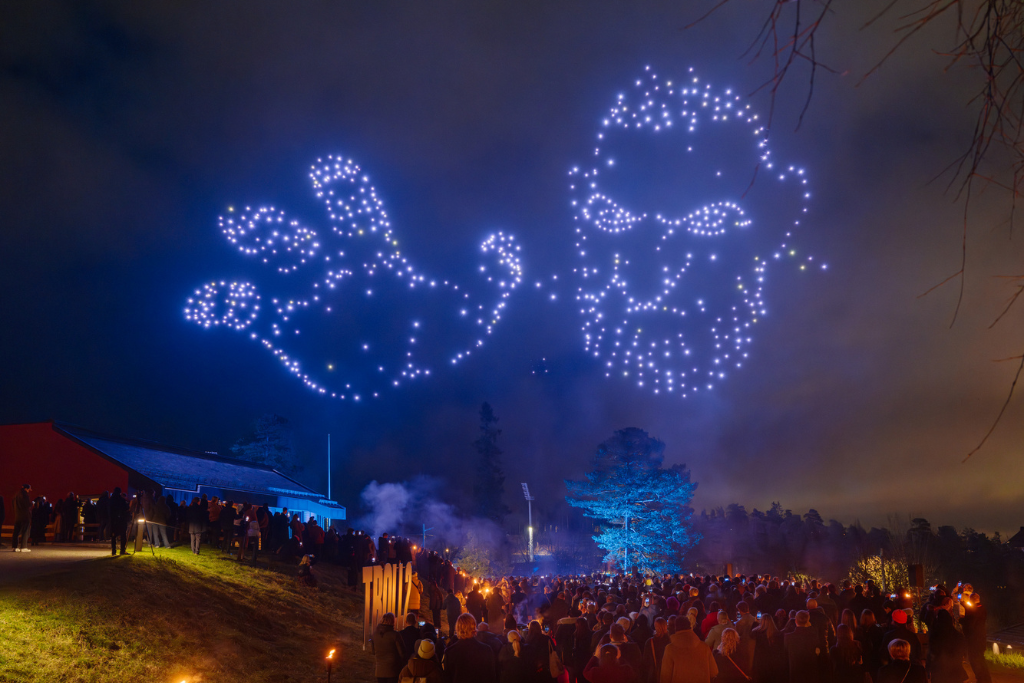
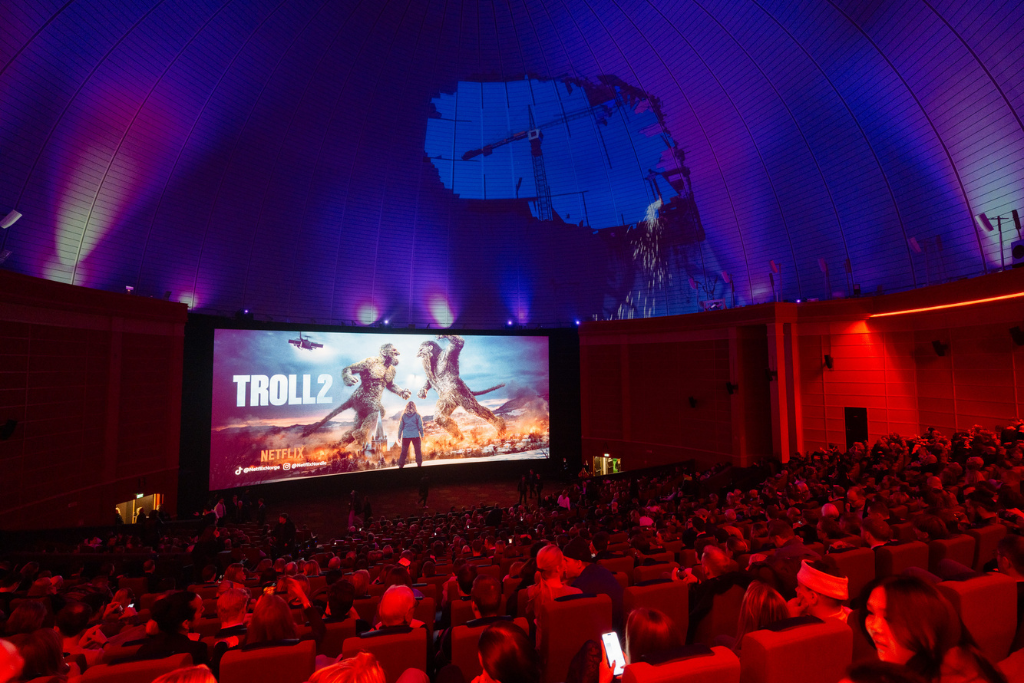
If I have to choose one, I would probably say the launch of Troll 2 for Netflix. It was an incredibly intense and complex project, with four separate events taking place in a single day, large groups of people moving between locations and countless elements that had to unfold at exactly the right time. There were a lot of eyes on us, and the pressure during the planning and production was significant. That also made the feeling afterwards incredibly rewarding. When something that complex comes together, the sense of pride is difficult to describe.
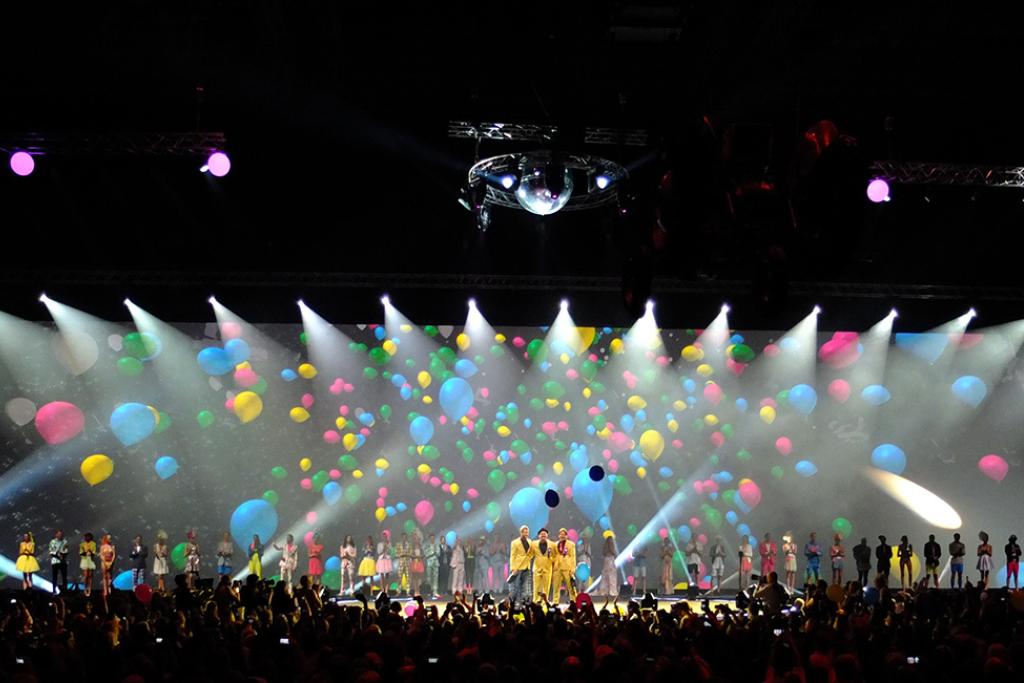
But if you allow me to bend the question slightly, I would also highlight my years working with Moods of Norway. It wasn’t one event, but a series of experiences that had a huge creative influence on me. What started as fashion shows became something much bigger – the entire venue, the arrival, the entertainment, the smallest details, and every interaction with the guests became part of the concept. Over the years, audiences ranged from around 800 to as many as 50,000 people.
Moods of Norway created what we would now call brand experiences long before that term was widely used in Norway.
We constantly challenged what a fashion event could be, always looking for ways to surprise people and turn an audience into admirers and loyal fans of the brand. There was a wonderful mindset behind those years: “Can we actually do this?” And then we tried. Very often, the answer was yes.
Q9: Which industry buzzword would you permanently ban, and what uncomfortable truth should event agencies start discussing instead?
I’m not sure I would ban a traditional buzzword, but I would happily challenge the word “supplier” when it is used to describe what a good event agency brings to the table. I would much rather see agencies described as partners.
The uncomfortable conversation our industry should have is about the value of our time and expertise. Clients aren’t buying simply the hours we spend on a project. Those hours contain years of experience, creativity, problem-solving, relationships, judgement and the ability to deliver under pressure – often with short deadlines, ambitious expectations and limited budgets.
At Appetite, our ambition is to be seen as a partner in our clients’ growth – helping them change mindsets, strengthen internal cultures, build brands and create stronger relationships. We want our work to be viewed as an investment in achieving those goals, rather than simply a production cost.
But we have a responsibility to earn that position. And I believe this is something our entire industry – Appetite included – can become better at. We need to demonstrate our value, measure the effect we create and communicate the return on that investment more clearly. The uncomfortable truth is that we cannot only ask clients to value our time more. We have to become better at showing them why they should.
Q10: Does Europe genuinely operate as one event market, or do outdated divisions between established Western markets and “New Europe” still influence budgets, visibility and access to opportunities?
I think differences between markets will always exist – in budgets, client expectations, business culture and the maturity of individual sectors. But I’m not convinced the traditional division between Western Europe and “New Europe” tells us much about where the best ideas or events come from today.
Creativity has no nationality. Great ideas can come from Oslo, Ljubljana, Warsaw, London or anywhere else. People are people, and ultimately our industry is about understanding them, connecting them and creating experiences that move them. At Appetite, we are members of BEIC – the Business Event Industry Club – a global network of independent event agencies. One of the things I value most is the opportunity to learn from agencies in completely different markets, share experiences, inspire each other, and help one another across borders. I believe we will see much more of that kind of collaboration in the future.
Initiatives such as the Unicorn Awards are important for the same reason. They bring people and work from across Europe into the same room, create visibility beyond national borders and allow us to learn from each other.
The more we meet, share and collaborate, the less relevant some of those old divisions become.
So do I think Europe operates as one event market today? Not entirely. But I believe we should work toward an industry where geography matters less than ideas, talent, and the quality of the work. And I think collaboration is one of the best ways to get there.
Learn more about projects by Appetite for Production here.