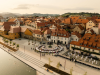
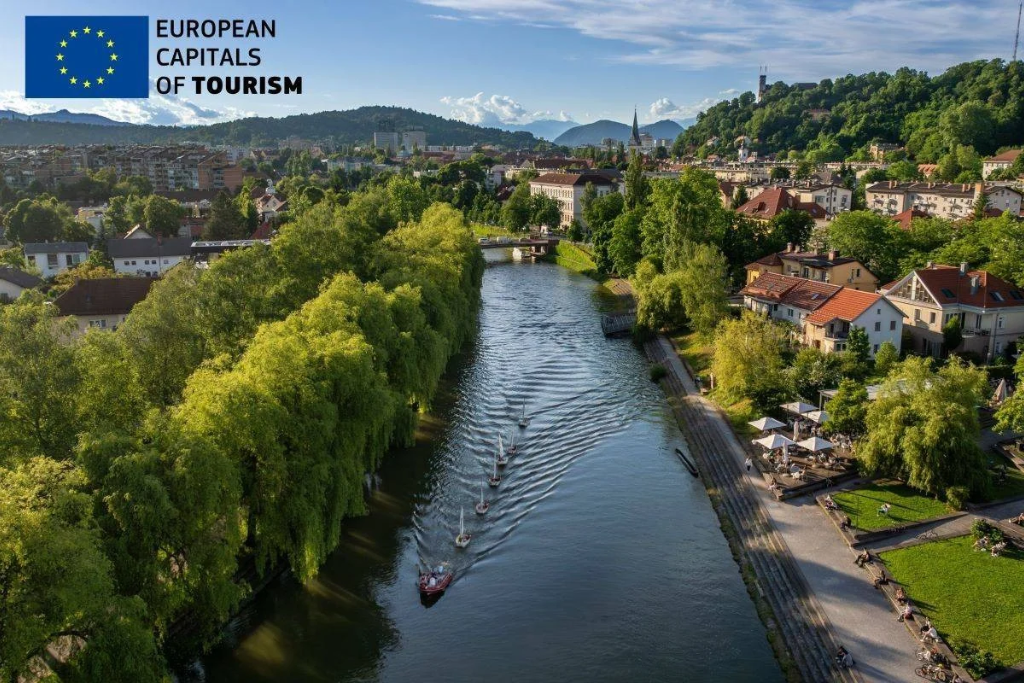
Announced on 20 November 2026, the prestigious European recognition marks another milestone in Ljubljana’s long-term transformation into a green, inclusive and forward-thinking European capital. It also offers another compelling reason to visit Slovenia in 2027.
Why was Ljubljana named European Capital of Tourism 2027?
Ljubljana received the title in recognition of its innovative approach to tourism management, supported by a clearly defined strategy and effective destination governance.
In recent years, the Slovenian capital has developed a range of solutions addressing some of the most pressing challenges facing European urban tourism. These include using data and artificial intelligence to manage visitor flows, reducing the environmental impact of tourism, improving accessibility and encouraging cultural and creative experiences throughout the year and across different neighbourhoods.
Central to Ljubljana’s approach is the ambition to develop tourism in a way that benefits both visitors and the local community, contributing to the quality of life in the city.
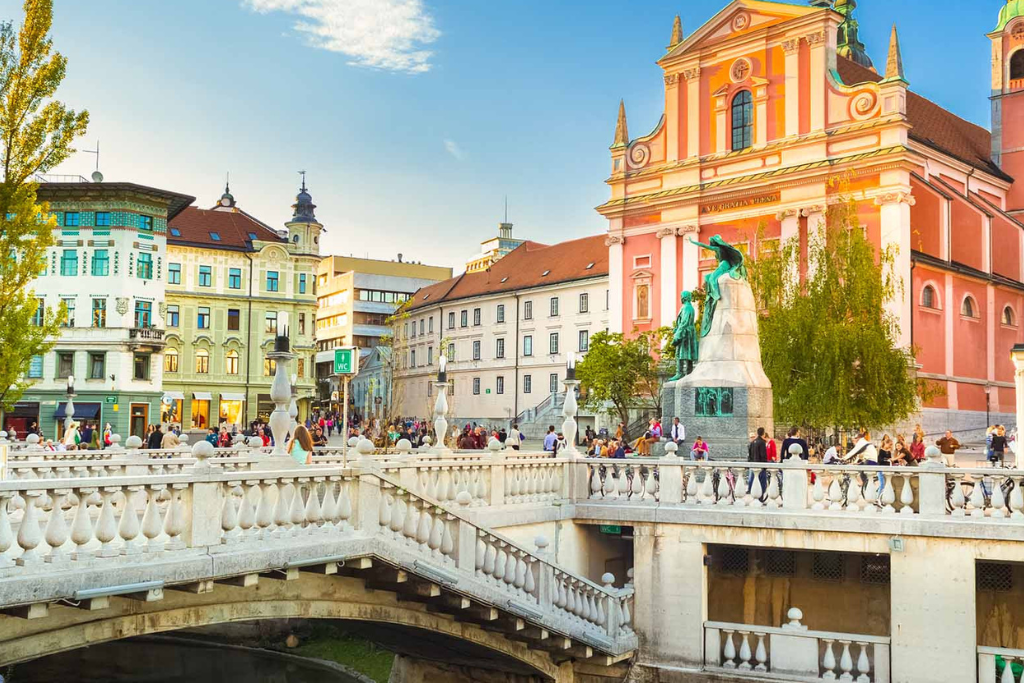
Main pillars of Ljubljana’s success as a sustainable and smart tourism destination
Sustainable tourism: a greener, more liveable European capital
Ljubljana has long recognised that a city that is pleasant to live in is also an attractive place to visit. Its approach to sustainable tourism connects destination development with the city’s wider environmental, social and economic objectives.
These initiatives demonstrate how sustainable urban development can enhance the visitor experience while preserving the quality of everyday life for residents.
Smart tourism: using artificial intelligence to manage visitor flows
Ljubljana is also developing innovative digital solutions to support evidence-based destination management.
Together with technology company Arctour, Ljubljana Tourism developed Ljubljana FLOWS, a digital destination management platform that brings together data on visitor numbers, accommodation occupancy and other factors influencing tourism flows.
Developed within the European D3HUB project, the solution is now being transferred to four other European destinations, demonstrating Ljubljana’s contribution to knowledge sharing and the advancement of smart tourism across Europe.
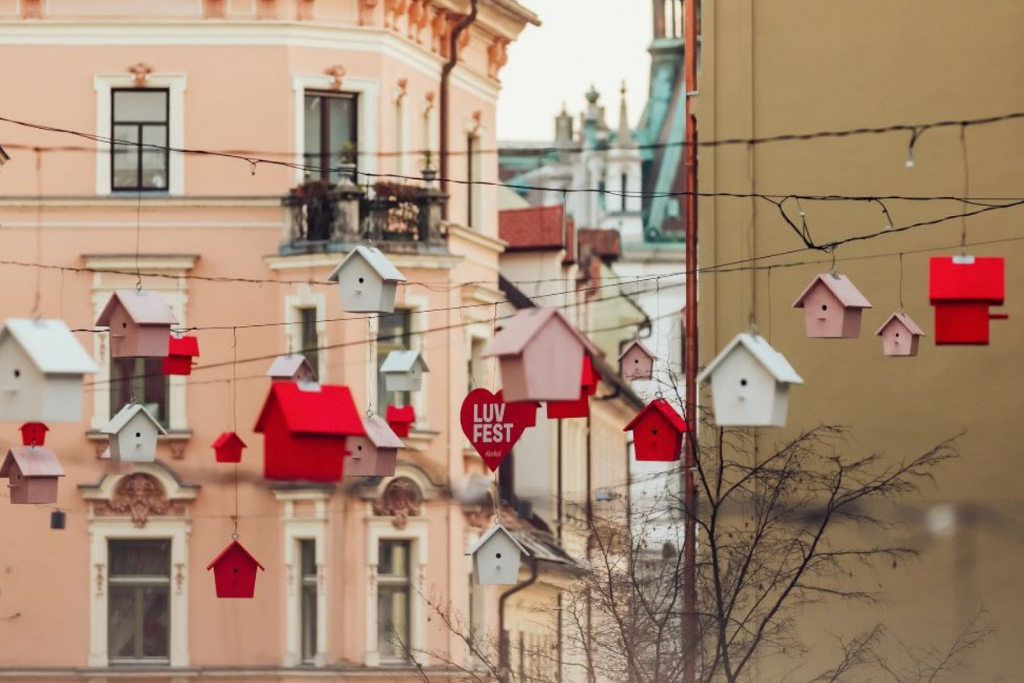
Cultural heritage and creativity: a vibrant city throughout the year
Ljubljana’s rich cultural heritage and contemporary creative scene are central to its identity as a European city break destination. The Slovenian capital hosts more than 14,000 cultural events annually, approximately 70% of which are free of charge.
Ljubljana Tourism uses revenue from the tourist tax to co-finance numerous cultural events. Initiatives such as LUV fest, Ljubljana’s festival of love, art and wandering, and the development of Ljubljana’s cultural quarters encourage visitors to explore the city beyond its traditional tourist attractions and outside the main summer season.
This approach supports a more geographically and seasonally balanced distribution of tourism while enriching the cultural offering for residents and visitors alike.
Residents to shape the future of tourism in Ljubljana
The European recognition comes as Ljubljana prepares to develop its new Tourism Development Strategy for 2028–2034.
Building on the city’s achievements to date, the strategy will address evolving tourism trends and the challenges that tourism presents for both the city and its residents. Ljubljana Tourism plans to involve more than 1,500 residents from all city districts in the development process through surveys, interviews, discussions and workshops. Their views, expectations and proposals will help shape future tourism development priorities, with resident satisfaction remaining a key measure of successful destination management. The objective is to develop tourism in a way that respects the city’s capacity, supports local communities and businesses, and preserves Ljubljana’s distinctive character.
Learn more about Ljubljana as a green destination here.