
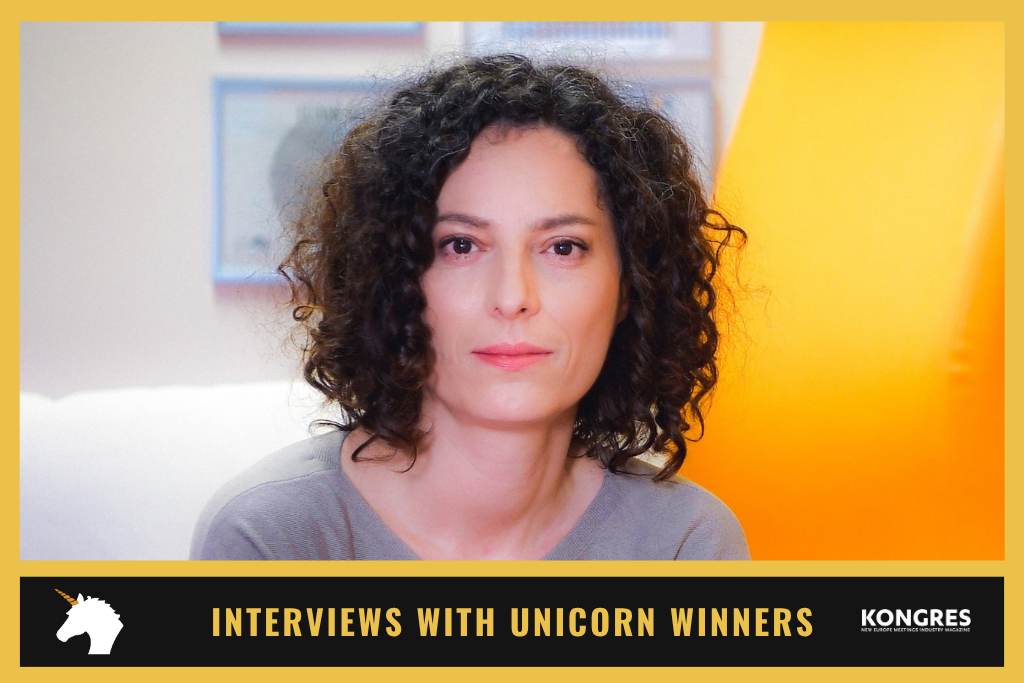
Q1: Looking back at your final project, what made it stand out as a “unicorn” rather than just a well-executed event?
It ultimately came down to the strength of the concept. It was simple, but purposeful, clear, engaging, and highly effective. Every element served a role, and that clarity translated into a cohesive experience that resonated with the audience.
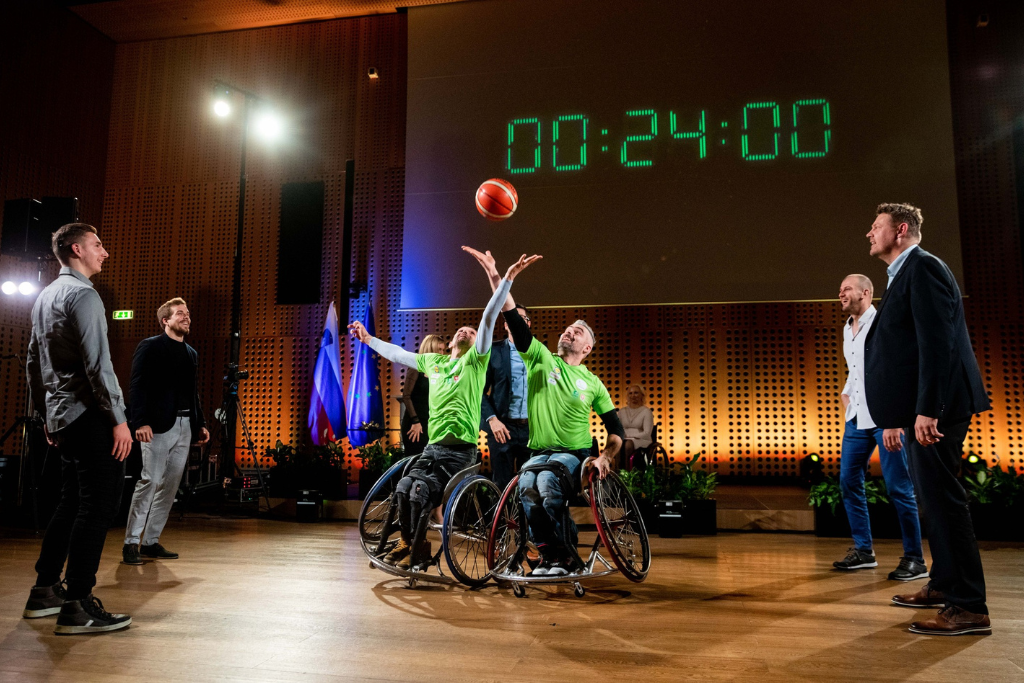
Unexpected moments, when handled with confidence and grace, can enhance authenticity rather than detract from it.
Q2: If you had to define one shift in the events industry between 2023 and 2026, what has fundamentally changed?
Despite the rise of virtual and hybrid events, live experience still holds unmatched value. We’re seeing a shift toward more immersive, concept-driven events that are amplified, not substituted, by digital ecosystems. At the same time, there’s a growing emphasis on intimacy, authenticity, and strong atmosphere. Events that truly embody and communicate brand identity. The wider adoption of AI and AR is also beginning to reshape how audiences interact with content.
Q3: The competition is evolving into the Unicorn Awards. How would you define a “unicorn event”?
A unicorn event stands apart because it is meticulously tailored to its audience. It may appear simple on the surface, but behind that simplicity is careful thought and precision. Every detail matters and contributes to a unified narrative. Execution is seamless because it is well-prepared, but importantly, it also leaves room for humanity: unexpected moments, when handled with confidence and grace, can enhance authenticity rather than detract from it.
Q4: Do you think the industry is becoming more focused on impact or spectacle, and where do you stand?
Ideally, the industry would lean toward impact, but spectacle continues to play a powerful role in capturing attention. In reality, the most successful events balance both. It always depends on the audience and the objective. Spectacle draws people in and generates visibility, while impact creates lasting value and legacy. Whether the goal is knowledge, collaboration or pure experience, the approach must align with what the audience is seeking. Sometimes even a simple, well-delivered format, such as a lecture, can have a deeper impact than a highly elaborate production.
Q5: What is the most underestimated challenge in delivering outstanding events today?
One of the most underestimated challenges is maintaining coherence across all touchpoints, with so many moving parts: technology, content, stakeholders, and audience expectations. It’s easy for the core message to become diluted. Ensuring that every element aligns with the original concept and delivers a consistent experience requires discipline, clarity, and strong coordination.
Q6: Where do you see the biggest gap between what clients want and what events actually deliver?
The biggest gap often lies in expectations. Clients may envision something that doesn’t fully align with what is realistically achievable within the given concept or constraints. Managing those expectations is critical. It’s our role to clearly communicate the rationale behind our proposals and support them with strong arguments. Budget is another key factor. While we often strive to do more with less, some ideas simply require the right level of investment. Transparent and honest communication is essential to bridging that gap.
Q7: Is there a recent project or idea you are particularly proud of, and why?
There are several, but one that stands out is a project delivering a genuinely innovative solution to a real problem. It builds on experience, is informed by data, and has ultimately exceeded our expectations. It is one of the cases where you can see that the concept truly addressed the audience’s pain points and created meaningful change, often achieving even more than initially anticipated.
Q8: What do you believe will shape the future of events?
Digital technologies will undoubtedly continue to evolve and influence the industry, but human connection will remain at its core. Events are, and always will be, about bringing people together in a meaningful way. As more aspects of our lives become virtual, the value of physical presence and shared experience only increases. Technologies like AI and AR should be seen as enablers, tools that enhance interaction and engagement, but never as a substitute for genuine connection and relationship-building.
Find out more about Taktik agency here.