
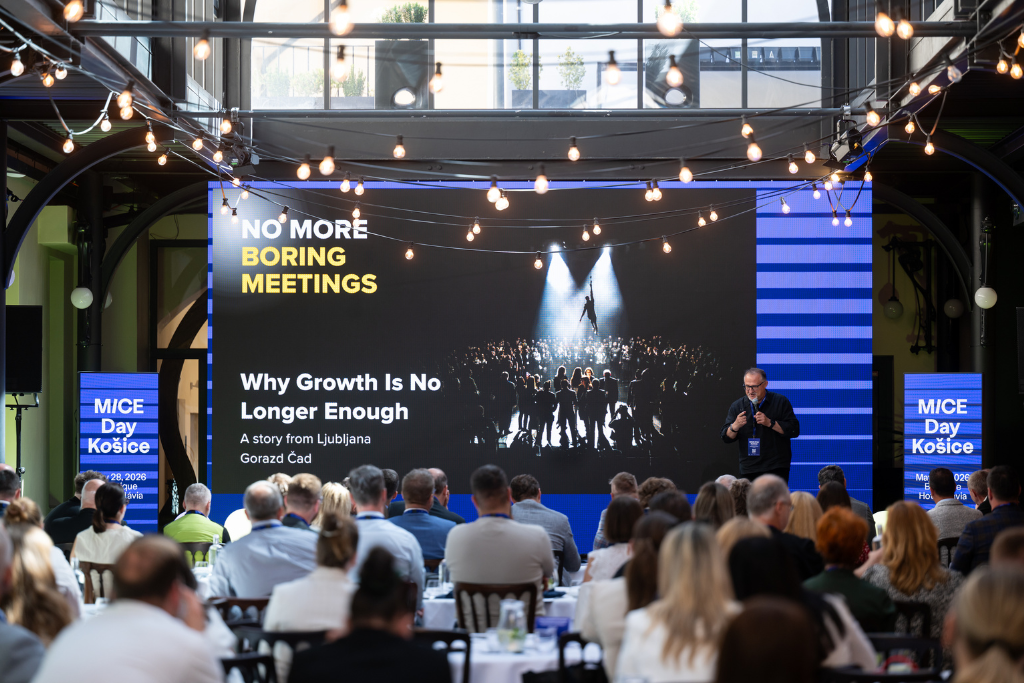
There are two types of destinations in the events industry. Some cities don’t have to prove anything. Vienna, Barcelona, Copenhagen or Amsterdam have long been part of the global event map. Their advantages seem logical in and of themselves; their infrastructure is highly impressive, and their recognisability is almost automatic.
Then, there are destinations the world has not yet truly unearthed. Cities that do not fill the covers of global tourism campaign magazines and which most event organisers do not see as their go-to choice. Not because they would lack appeal, but because their stories have not been told out loud (enough). Košice is among these destinations, which is what makes the Slovak town so compelling.
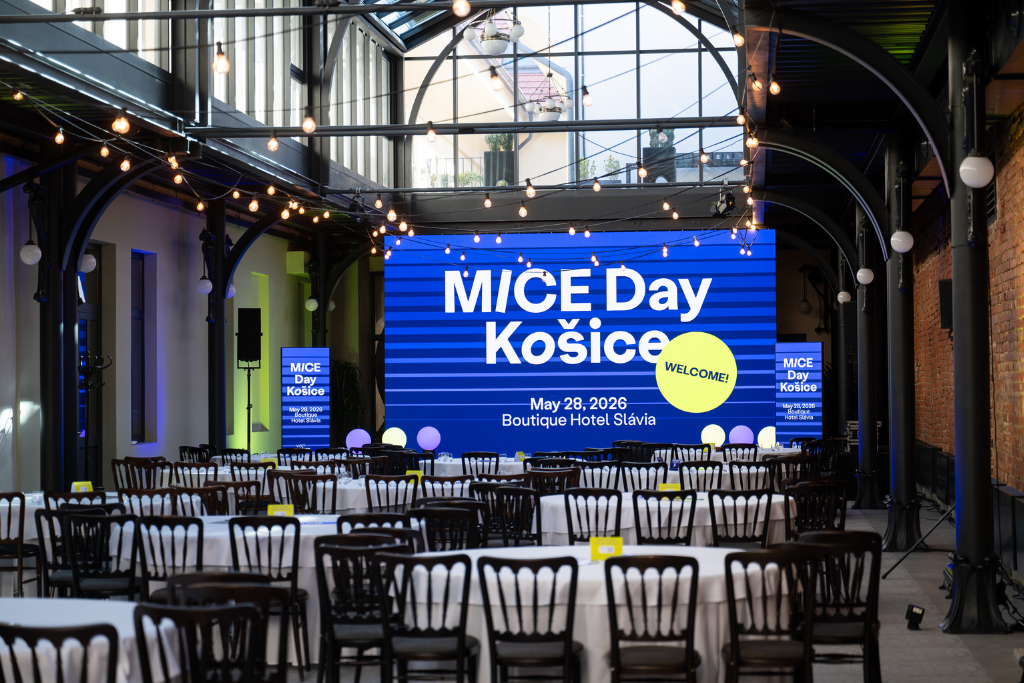
At a highly emotion-packed event, the Košice MICE Day, hoteliers, event organisers, representatives of creative industries and city institutions convened to discuss not only business tourism and events, but, above all, the city’s identity, its position in Europe and why this city on its periphery can evolve into a new centre for ideas, connections and opportunities.
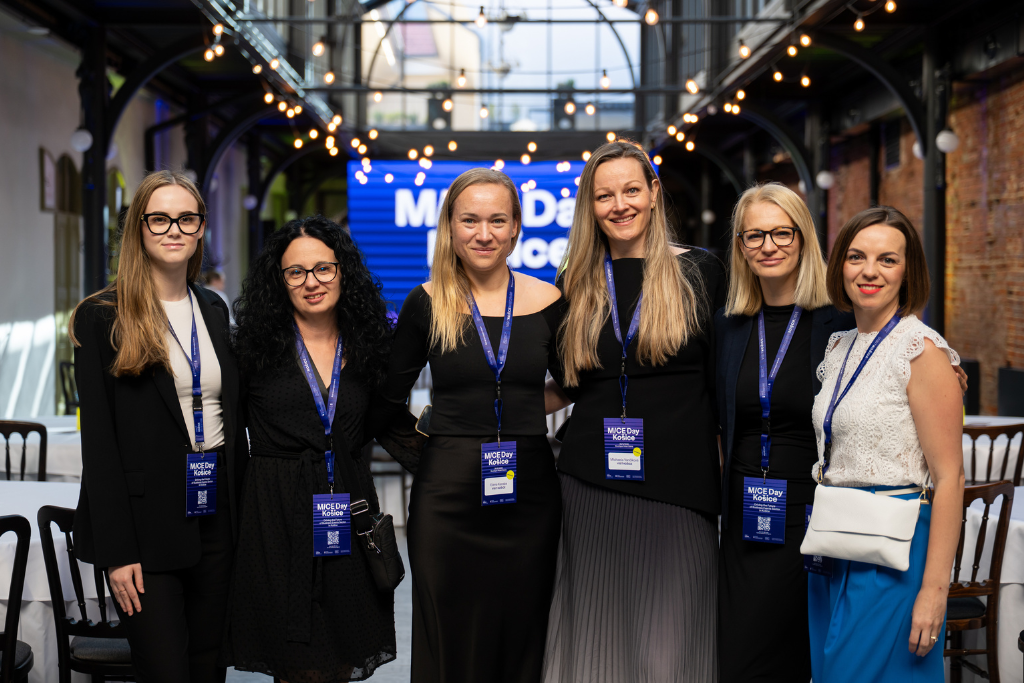
I felt as if I had stepped into a time machine, whisking me 25 years back, when Ljubljana was beginning to think alike. I was amazed by the uncanny parallels between the arguments, dilemmas and thinking.
Most importantly, the debate quickly eclipsed the event’s format. No one talked about the square metres of event halls. No one wanted to mention the number of hotel rooms. No one dreamt of megalomaniac ventures. Instead, the entire day revolved around a single topic: creating a joint Košice story.
Lesson from Ljubljana
The event’s most meaningful moment did not occur during the official presentations, but came from a personal insight shared by one of the attendees after a site visit to Ljubljana. His finding was surprisingly simple. “In Ljubljana, everyone spoke the same language, regardless of whether we spoke with the tourist organisation, hoteliers, catering team or event organisers. Everyone could share the same story about the city.”
At first, a banal finding. But, if you dig deeper, this is one of the most valuable lessons of modern destination marketing. Successful destinations are not renowned just because they have the best slogan. They have become success stories because all stakeholders understand what their city represents. That is something Ljubljana managed to build across two decades. Graz, too, has been systematically developing this narrative for years. Today, Košice is seeking that as well.
Košice is not Prague. And that is encouraging news.
In the events industry, there is almost an obsessive need to make comparisons. Graz benchmarks against Vienna; Ljubljana eyes Munich; Košice looks to Prague. The result is always the same: a feeling of being second best – not enough connections, not enough hotels, insufficient funds. In short, a dearth of everything.
Secondary destinations are not the future because they would be reminiscent of metropolises. Their future lies in them being different.
Yet one of the most thought-provoking ideas shared at the event was the opposite. Secondary destinations are not the future because they would be reminiscent of metropolises. Their future lies in them being different. Global trends show that approximately three-quarters of all global business events host fewer than 500 attendees. This is a market where cities like Košice are not at a disadvantage. Au contraire, they have the upper hand, as they can offer something larger capital cities consistently fail to offer: authenticity, accessibility, human dimension, and a sense of belonging.
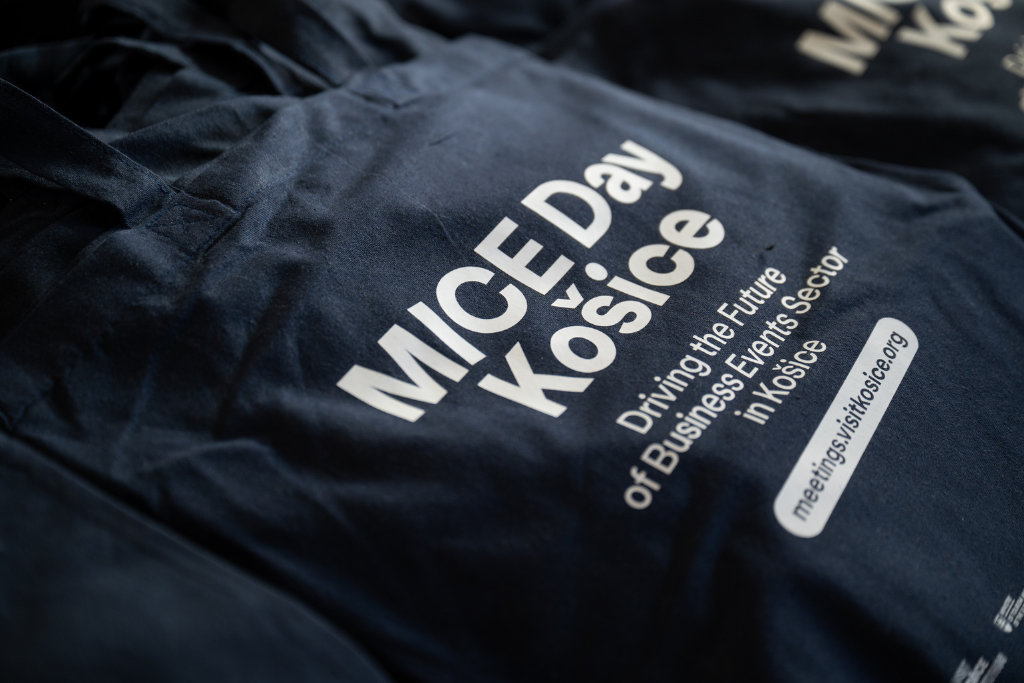
Košice is the stage
One of the event’s most tangible ideas was the destination’s new communications platform. We can summarise its essence in three words: Košice – your stage.
Excellent destination branding is never a description of a city, but a direct invitation. Once an event organiser arrives in Košice, they don’t only get a conference hall. They can revel in a city where their story can be in the limelight. This is a subtle, but paramount difference. Today, the most prosperous destinations don’t sell infrastructure, but emotions.
Agile far before it was in vogue
Among the most resounding statements of the day was a thought from Štefan Hric, Managing Director at Creative Pro Slovakia. “Today, Germans talk a lot about agility. We were agile far before it was trending.” The audience chuckled, but behind this jest hid an all-important truth. Central European destinations often lack the luxury of grand systems, endless budgets, and teams of 50 or more members. That is how, over decades, they have learned to improvise, cooperate and find solutions where others fail to see them. This incredible capacity to adapt is becoming a key competitive advantage for modern destinations.
Square metres do not represent the greatest capital
One of the key topics the event zoned in on was the pivotal role of universities. Several speakers emphasised that Košice’s greatest potential lies not in investments but in people. The city is home to four universities and a vast network of professors, researchers and experts who are part of globally recognised associations. These people can bring international conferences to the city. In a way, they are ambassadors of the future. In Graz and Ljubljana, academic ambassadors are among the key reasons the events industry began to burgeon. When professors bid to host an international event, they not only bring a few hundred delegates to the destination but also key ideas, new partnerships, research projects, and investments. Put simply, professors and experts are the bridge to the future.
“The most expensive resource is to sell”
Perhaps the most candid insight came from the hospitality sector: “Today, labour is no longer the most expensive resource. Selling is the most expensive resource.” This is a slogan that should hang on the walls of every destination or tourism organisation. Košice has hotels, restaurants, venues, the creative sector and all the ingredients to develop an event destination. Hence, the question is no longer what the city has. The real question is how well the city can present this to the world.
Ambassadors, not advertisements
A spirited debate ensued about establishing an ambassador programme. While the idea is not new, it has taken on a new meaning in Košice. This is not just about professors, but also about entrepreneurs, managers, researchers, leaders of international teams and local individuals who are influential within their organisations. These individuals open doors, but they cannot organise conferences on their own.
The local is the most important ambassador. When locals believe in their city’s potential, every visitor feeds off this energy. If they don’t, no marketing budget can fix it.
That is why the idea about establishing a central support platform emerged. Such a platform would provide ambassadors with expert help in bidding, organising and promoting events. The most successful destinations have adopted this model: ambassadors create opportunities, while the convention bureau turns them into results. In the events industry, we often tout conference centres as the basic infrastructure of know-how. In reality, though, people are still the most basic infrastructure: professors, researchers, and experts who connect their cities to the world.
Pride first, promotion second
Among the workshop groups formed during the event, an idea emerged that may just be the key to developing Košice in the long term: “First we need locals to be proud of the city so they can talk positively about the city.” Tourism strategies too often overlook this simple truth. The most salient ambassador for a destination is neither an influencer, a campaign, nor an ad. The local is the most important ambassador. When locals believe in their city’s potential, every visitor feeds off this energy. If they don’t, no marketing budget can fix it.
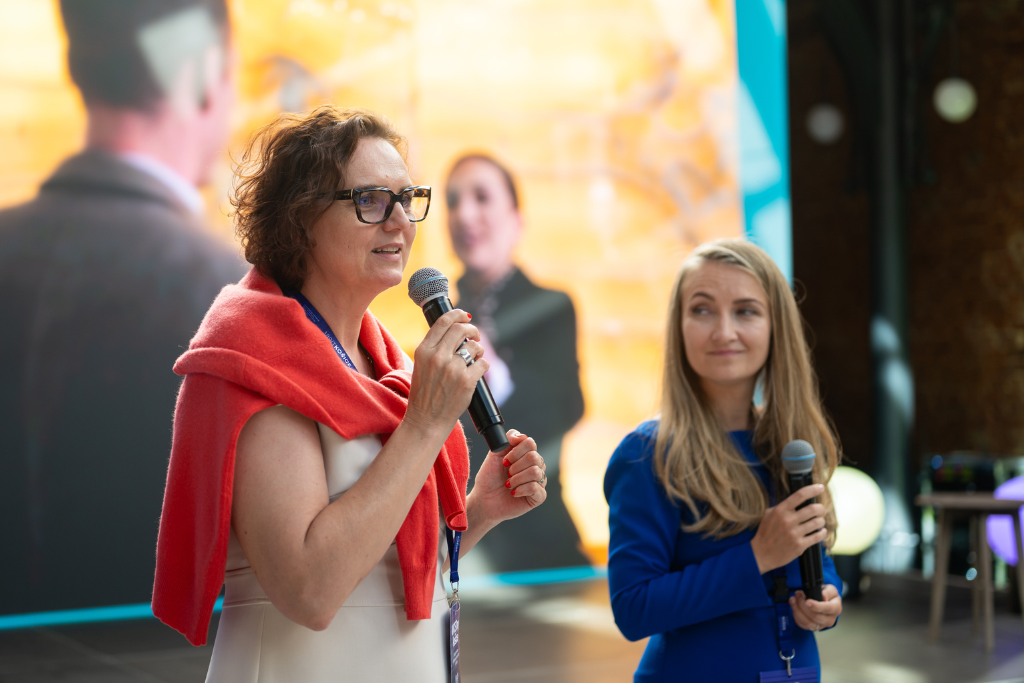
Above all, Košice has people who are willing to break bread with neighbours and are ready to step with their best foot forward.
Perhaps we are only missing the sea
Towards the end of the event, one of the attendees made the entire hall giggle. “I believe we have almost everything in Košice. The only thing missing is the sea.” There was more than a hint of truth in her joke. But, in all fairness, Vienna, too, does not boast a glistening sea, and it is doing rather well. Košice can take pride in its exceptional cultural heritage, established universities, emerging technological community, rich gastronomy, creative industries and its human-scale size. Today, guests increasingly cherish this human dimension. Above all, Košice has people who are willing to break bread with neighbours and are ready to step with their best foot forward.
The moment the story truly begins
As I waltzed out of the charming venue, I ruminated about a phenomenon that is extraordinarily rare in our industry. Destinations predominantly tend to build infrastructure before finding their identity. In Košice, though, it seems the opposite is happening. The city is shaping a common story, forging a common language and building a joint vision first. This may well be the most important takeaway of the event.
Successful and recognisable event destinations don’t serendipitously become famous once the doors of their shiny new conference centres are swung open. Not at all. They become successful when enough people start to believe in the same idea. I believe this process is already underway in Košice. Talks have started, and people have begun listening. Most importantly, they began to believe that the future is perhaps not about importing, buying, or copying other destinations’ tourism strategies. They have to blaze their own path – with the people who know the city like the back of their hand.
Oftentimes, we discuss infrastructure, air connectivity, hotels and investments in the events industry. In truth, however, the leading event destinations always emerged where people grasped the power of cooperation. Ljubljana did not succeed because of a conference centre. Graz did not become a household name because of hotels. Bilbao did not become an overnight success story because of the Guggenheim Museum. All the listed destinations caught the attention of event organisers because their stakeholders began to believe in a shared vision.
Košice is embarking on a similar path today. I cannot say where they will be in five or ten years. I saw something at the event that cannot be bought with any European funds, tenders, or marketing budget.
I witnessed the unfaked, ebullient energy from people who care about their city. I saw their willingness to listen, collaborate and build something larger than any individual’s interests. From experience, I can say that this is how all great destination stories begin – within the people who decide to believe in the same idea.
A token of appreciation
Finally, I want to express heartfelt gratitude to the organisers, Visit Košice, the city itself, and all the speakers, moderators, and attendees who fostered an atmosphere seldom found at industry gatherings. Your openness, sincerity, and collaborative spirit truly moved me.
Thank you for welcoming me into this unfolding story. Even after more than two decades in the international events industry, I am still captivated by those rare moments when a destination focuses not just on winning bids, but on defining what it wants to become. That spirit was alive in Košice. Like many, I am eager to see how the next chapters unfold.