
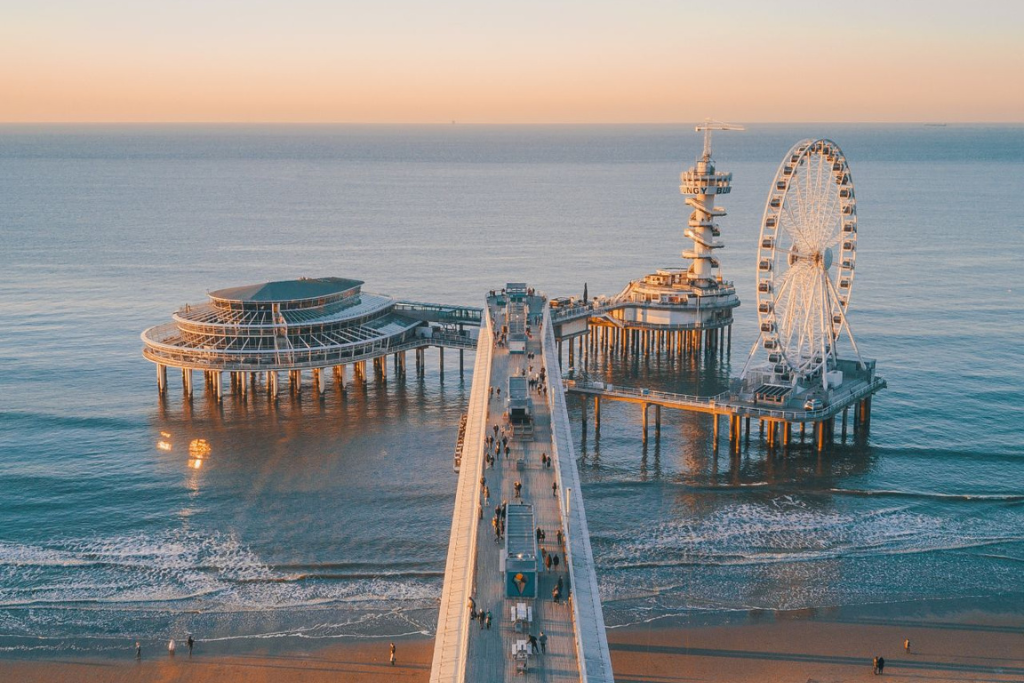
Nearly four centuries after Christiaan Huygens helped lay the foundations of planetary science, his hometown of The Hague will welcome researchers from more than 40 countries for the 20th Europlanet Science Congress (EPSC), Europe’s largest annual meeting dedicated to planetary science. Taking place at Amare from 6 to 11 September 2026, the congress comes to the Netherlands for the first time.
Born in The Hague in 1629, Huygens transformed humanity’s understanding of the Solar System. Using telescopes of his own design, he discovered Titan, Saturn’s largest moon, in 1655 and became the first to correctly explain the nature of Saturn’s rings. Nearly 400 years later, scientists studying planets, moons, space missions, and the origins of life will gather in the city where that journey began.
Researchers from Dutch universities, including TU Delft and Utrecht University, are working closely with the international organisers to host the anniversary edition.
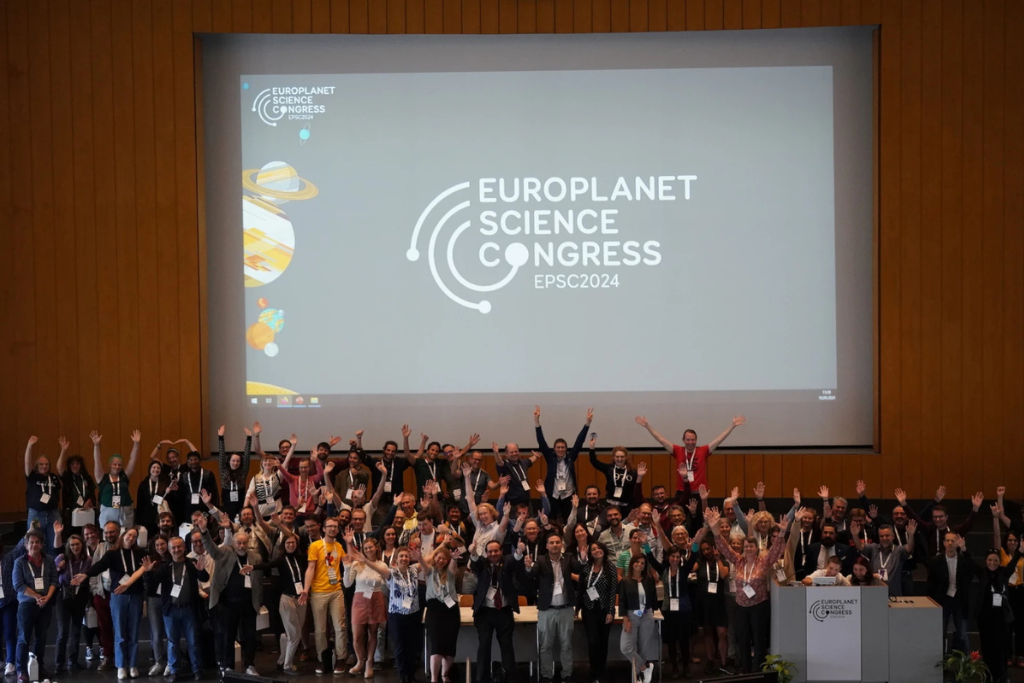
Huygens’ discoveries were shared through collaboration with scientists across Europe. That spirit of international collaboration continues today. Since its first edition in 2006, EPSC has grown into Europe’s largest annual meeting for planetary science, providing a forum for researchers to share discoveries, discuss future missions, and build international partnerships.
Anita Heward, Vice President of Europlanet, said: “Around half of EPSC participants are students and early-career researchers, many of whom are attending their first international conference. The meeting is an opportunity for them to make contacts and start to build scientific networks that may last their whole careers. So, in 2026, The Hague will play a vital role in ensuring Huygens’ legacy is passed to the next generation of planetary researchers, as well as sharing that knowledge with the public.”
Alongside the scientific programme, EPSC will also organise a series of public events at Amare, including a planetary art exhibition, interactive installations, performances, and educational activities. The programme forms part of The Hague’s legacy initiative, which supports event organisers in creating long-term societal, economic, and knowledge-based impact beyond the congress itself.
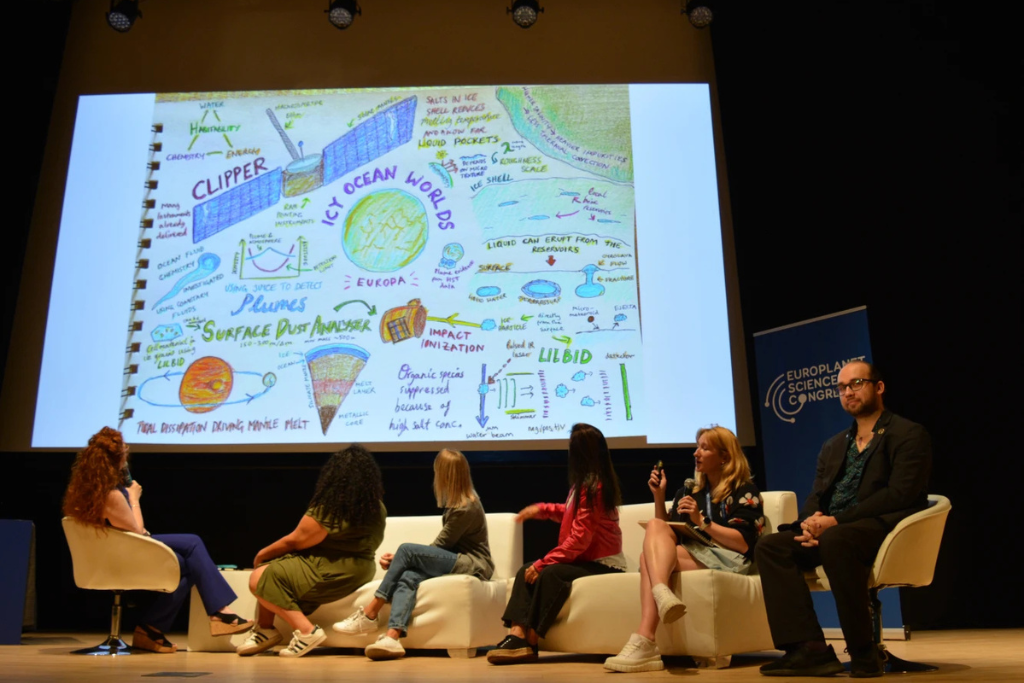
“We want EPSC 2026 to reach beyond the conference venue and invite people in The Hague to explore the planets in an accessible way. Plans include ‘The Hague Planet Trail’, a free walking route across the city that traces the Solar System to scale using historical landmarks to tell the story of the planets. The ‘EPSC Goes Live for Schools’ programme will also bring cutting-edge science and engineering into classrooms around the city and beyond,” adds Dr Sebastiaan de Vet.
Find out more about the event here.