

Q1: Looking back at your final project, what made it stand out as a “unicorn” rather than just a well-executed event?
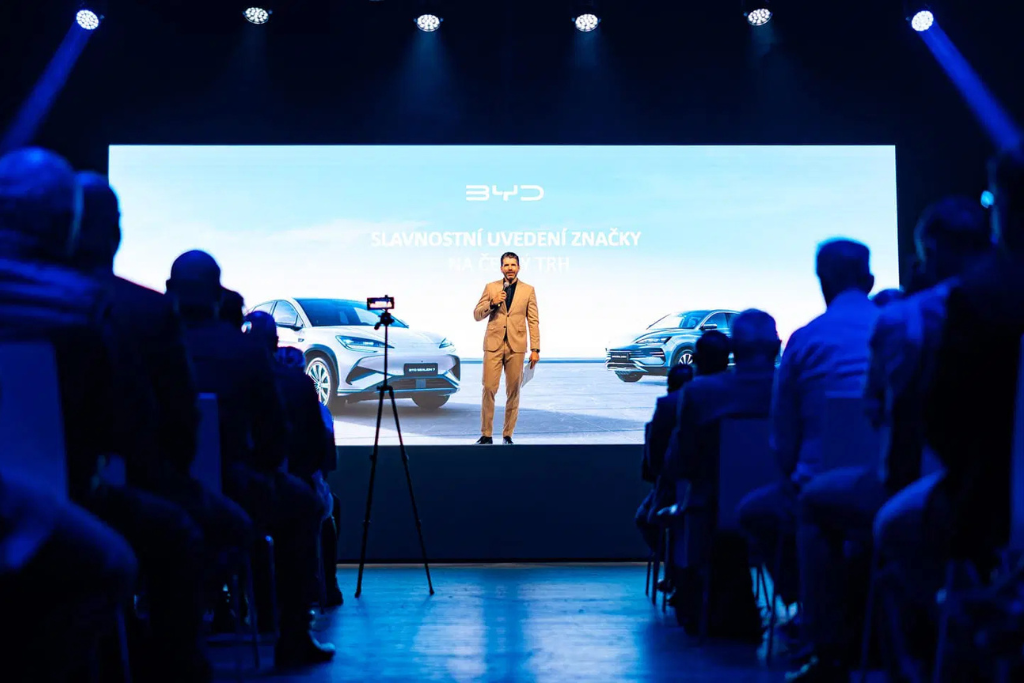
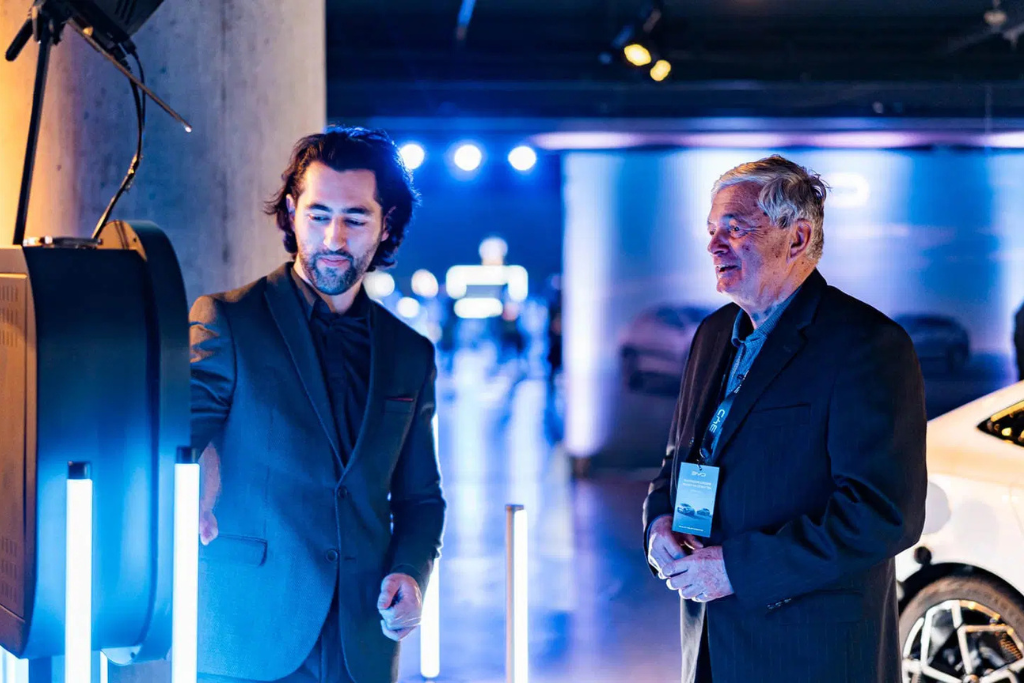
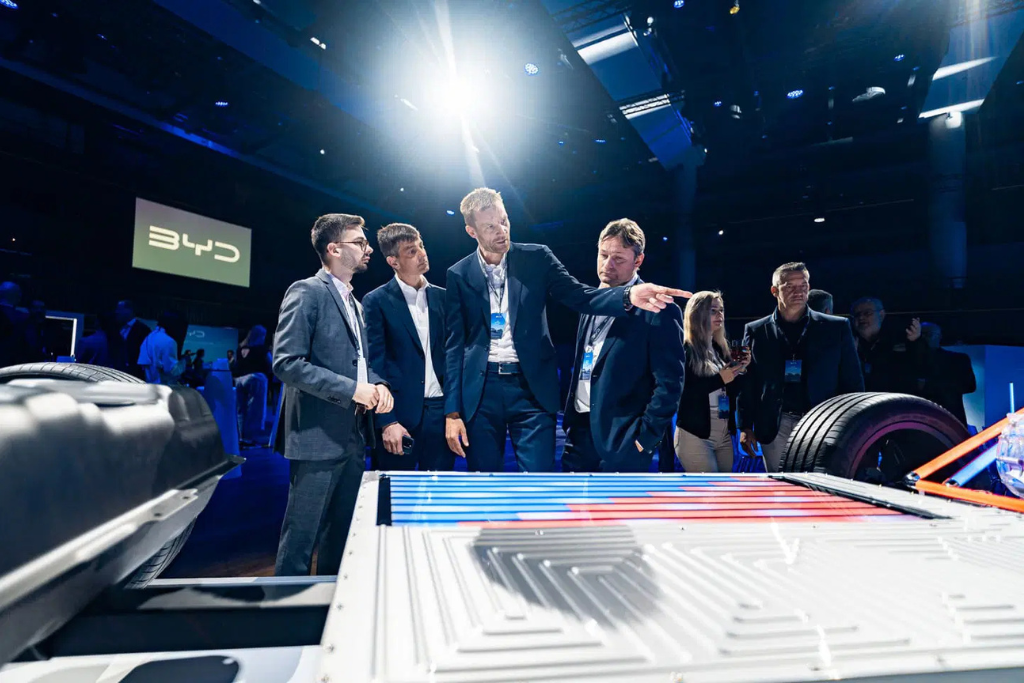
The BYD Official Launch in the Czech Republic stood out for being a fully immersive, content-first brand experience delivered under extreme time pressure. Every element—from urban test drives and interactive zones to real-time content production—was designed to turn first contact with the brand into a meaningful and memorable interaction. Guests didn’t just learn about BYD technology; they experienced it firsthand through driving, exploration, and participation. The project successfully combined market-entry strategy, media amplification, dealer engagement, and emotional storytelling into a coherent journey—this level of integration is what made it a “unicorn.”
Q2: If you had to define one shift in the events industry between 2023 and 2026, what has fundamentally changed?
The industry has shifted from storytelling to proof. It is no longer enough to communicate values—brands are expected to demonstrate them through real experiences. In this case, rather than presenting innovation, we enabled guests to experience it firsthand through test drives and interactive technology. Events are increasingly becoming platforms for tangible engagement rather than passive communication.
Q3: The competition is evolving into the Unicorn Awards. How would you define a “unicorn event”?
A unicorn event is where strategy, creativity, and execution align seamlessly to deliver measurable impact. It combines a strong concept, a clear purpose, and flawless delivery to create a meaningful shift, whether in perception, behaviour, or decision-making. In today’s context, it also means creating experiences that naturally extend beyond the event through content and audience participation.
Q4: Do you think the industry is becoming more focused on impact or spectacle, and where do you stand?
The focus is clearly shifting toward impact. Spectacle still plays a role, but only when it supports the message. The most valuable events today are those in which every creative element serves a purpose and contributes to a broader objective.
Q5: What is the most underestimated challenge in delivering outstanding events today?
Maintaining clarity and consistency across all layers of an event. With increasing complexity, multiple stakeholders, and high expectations for both experience and results, maintaining a clear vision from concept to execution becomes challenging. The ability to align strategy, creativity, and delivery is often underestimated.
Q6: Where do you see the biggest gap between what clients want and what events actually deliver?
The gap is often between ambition and execution speed. Clients expect high-impact, multi-layered experiences with immediate results, but achieving this requires strong strategic clarity and the ability to execute quickly without compromising quality. Bridging this gap depends on experience, agility, and precise planning.
Q7: Is there a recent project or idea you are particularly proud of, and why?
The BYD Official Launch is a great example. Within just 14 days, we delivered an event that not only introduced a new automotive brand to the Czech market but also generated strong media coverage, high engagement, and real business outcomes, including new dealership interest. The combination of immersive experiences and real-time amplification made a lasting impact.
Q8: What do you believe will shape the future of events?
The future will be shaped by meaningful experiences, clear purpose, and the ability to create real value for both brands and audiences. As expectations continue to rise, events will need to balance creativity with measurable outcomes, while staying authentic and relevant. Technology will play an important role, but it will remain a tool—not the core of the experience.
Explore more about the Creative Pro Group here.